
Practical knowledge about timber, fences and outdoor building.
Guides on timber species, products, processing and typical applications, explained clearly, with sizes, comparisons and practical notes. The topic areas take you directly to the articles that suit.
Stakes & Posts
Setting, sizing, fixing: everything about stakes in ground contact.
View Stakes & Posts in the range
How an oak cleft post is made: from the log to the pallet
Cross-cutting, cleaving, pointing, palletising: production explained step by step, with video from the works.
Read the article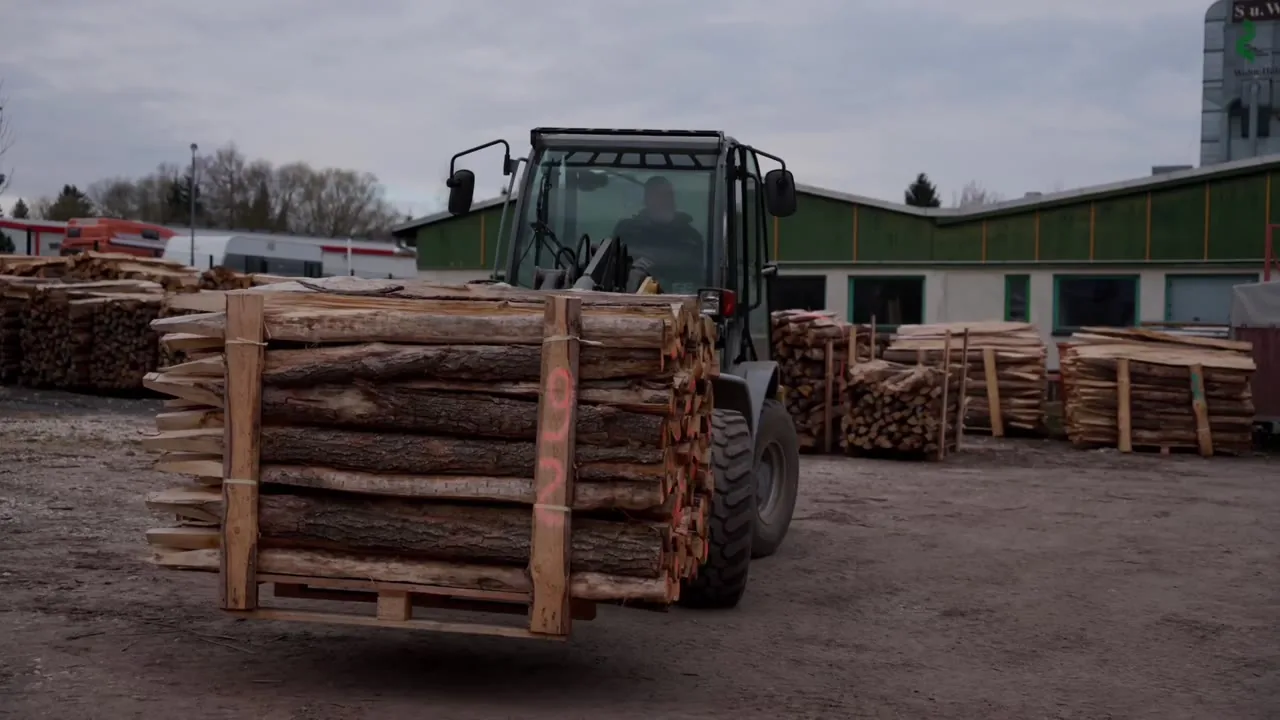
Cleft post or round post: which shape suits which job?
Cleft post or round post: differences in production, cross-section, size specification, fixing and appearance, plus an overview by area of use.
Read the article
Setting robinia stakes: depth, spacing and common mistakes
Setting robinia stakes: what matters for depth, post spacing, the point, pre-drilling and the naturally grown shape.
Read the article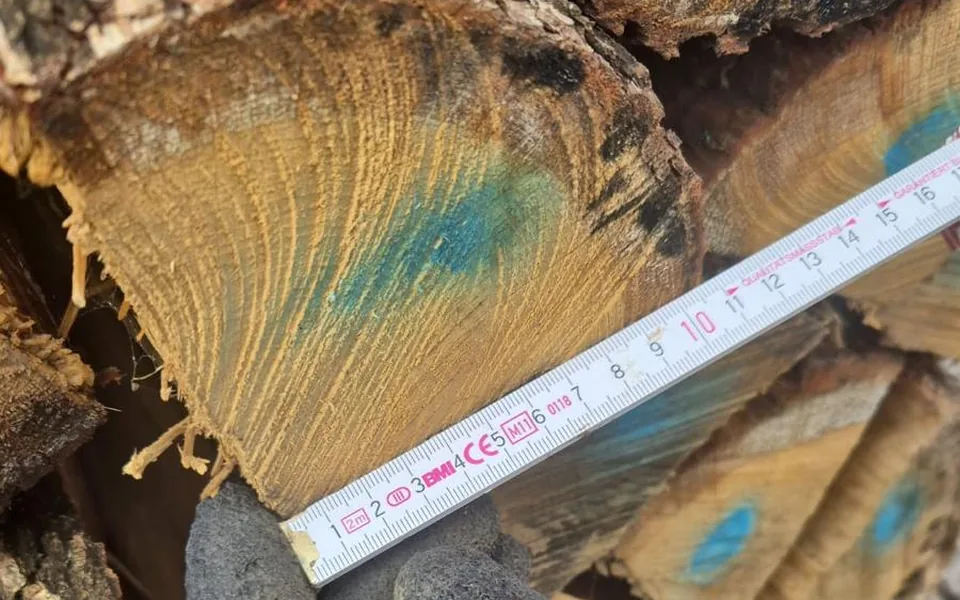
Back width and edge length on cleft posts: what is the difference?
Back width, edge length and diameter all describe the thickness of a post, but they are measured differently. Where the differences lie and what can actually be compared.
Read the article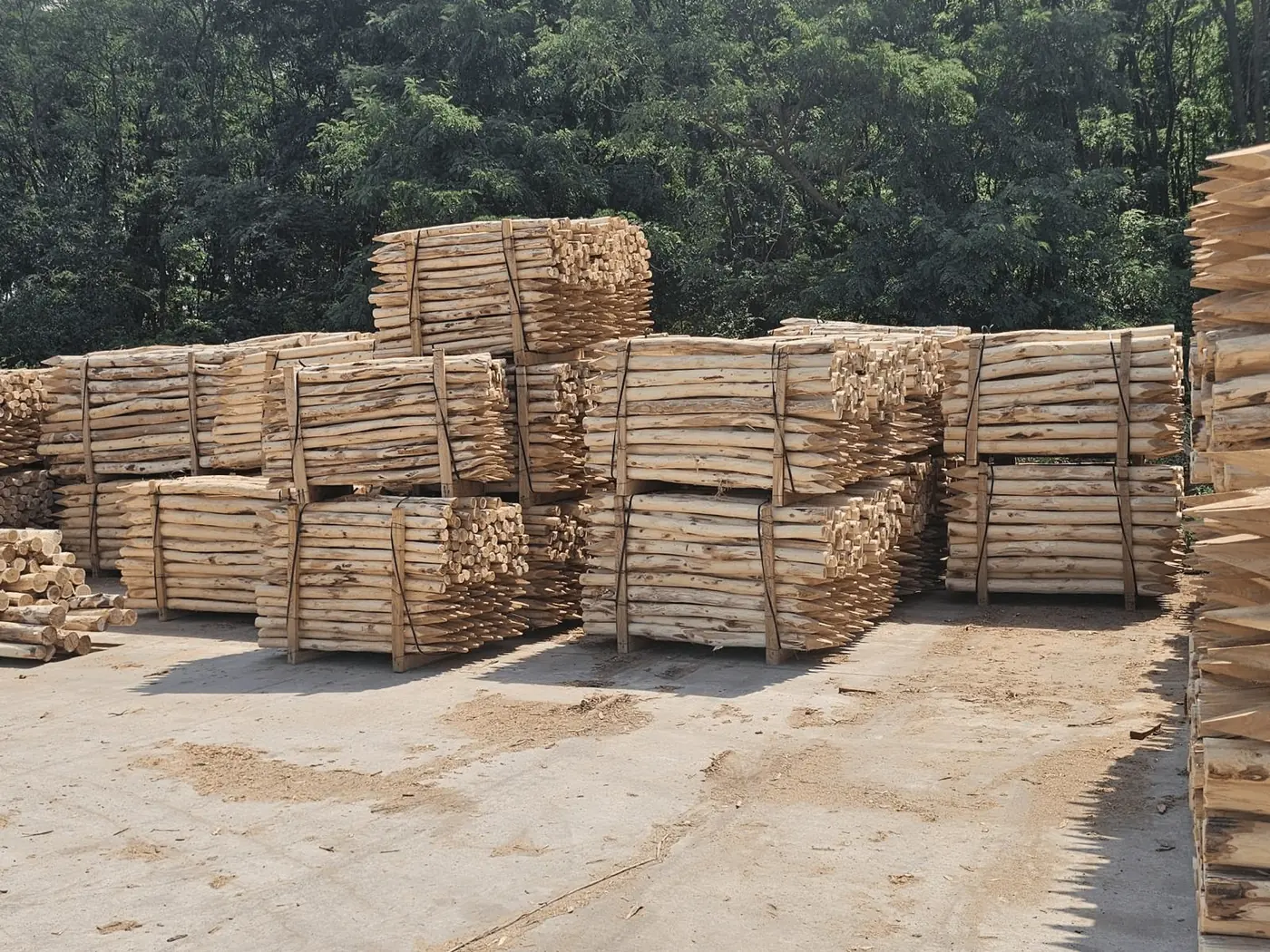
Durability of oak, robinia, larch and spruce compared
Robinia, oak, larch and spruce compared: how DIN EN 350 classifies natural durability and which factors play a part for timber in ground contact.
Read the articleFences & fence building
From the paling fence to the Bonanza fence, with spacings and material lists.
View Fences & Fence Posts in the range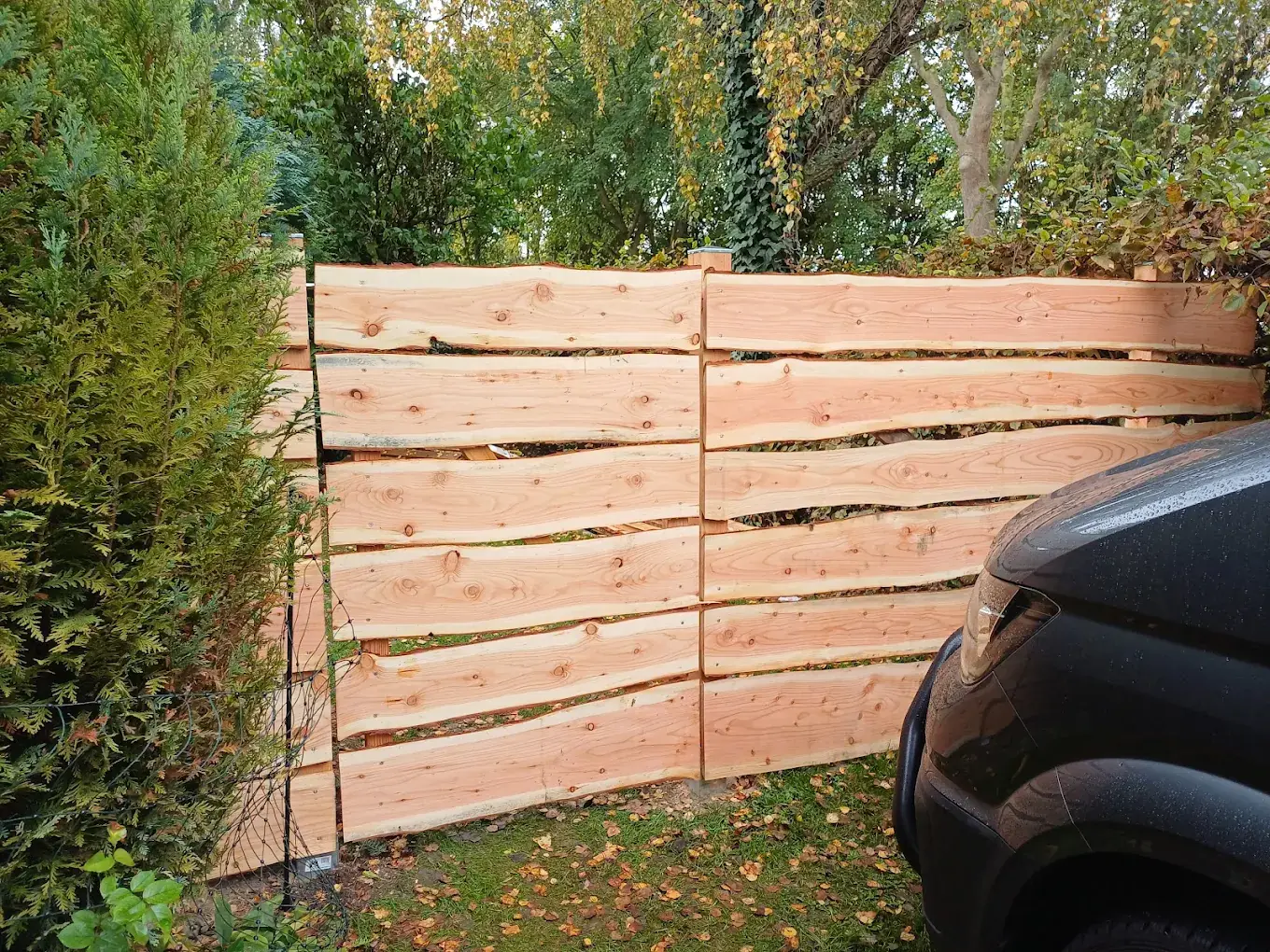
Building a Bonanza fence: oak, larch or spruce?
Bonanza fence in oak, larch or spruce: differences in surface, side boards and specification, plus construction, posts and design detailing.
Read the article
Building a chestnut paling fence: from the posts to the finished fence
Building a chestnut paling fence: setting out the line, setting the posts, unrolling and fixing the roll, plus corners, gates, slopes and quantities.
Read the articleSawn, profiled & structural timber
Tongue-and-groove boards, cladding, rhombus battens and decking, from the choice to the fitting.
View Sawn & Round Timber in the range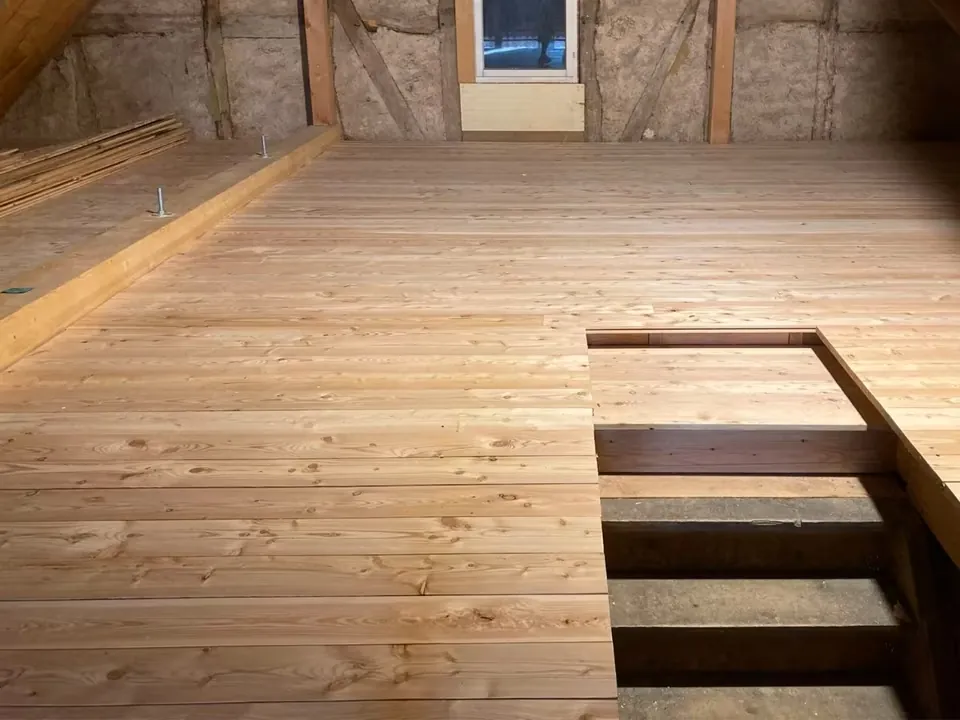
Tongue-and-groove boards or cladding: what is the difference and when do you use which?
Rough-sawn tongue-and-groove boards have a tongue and groove, cladding boards do not. The difference in profile, the dimensions we stock and when each suits.
Read the article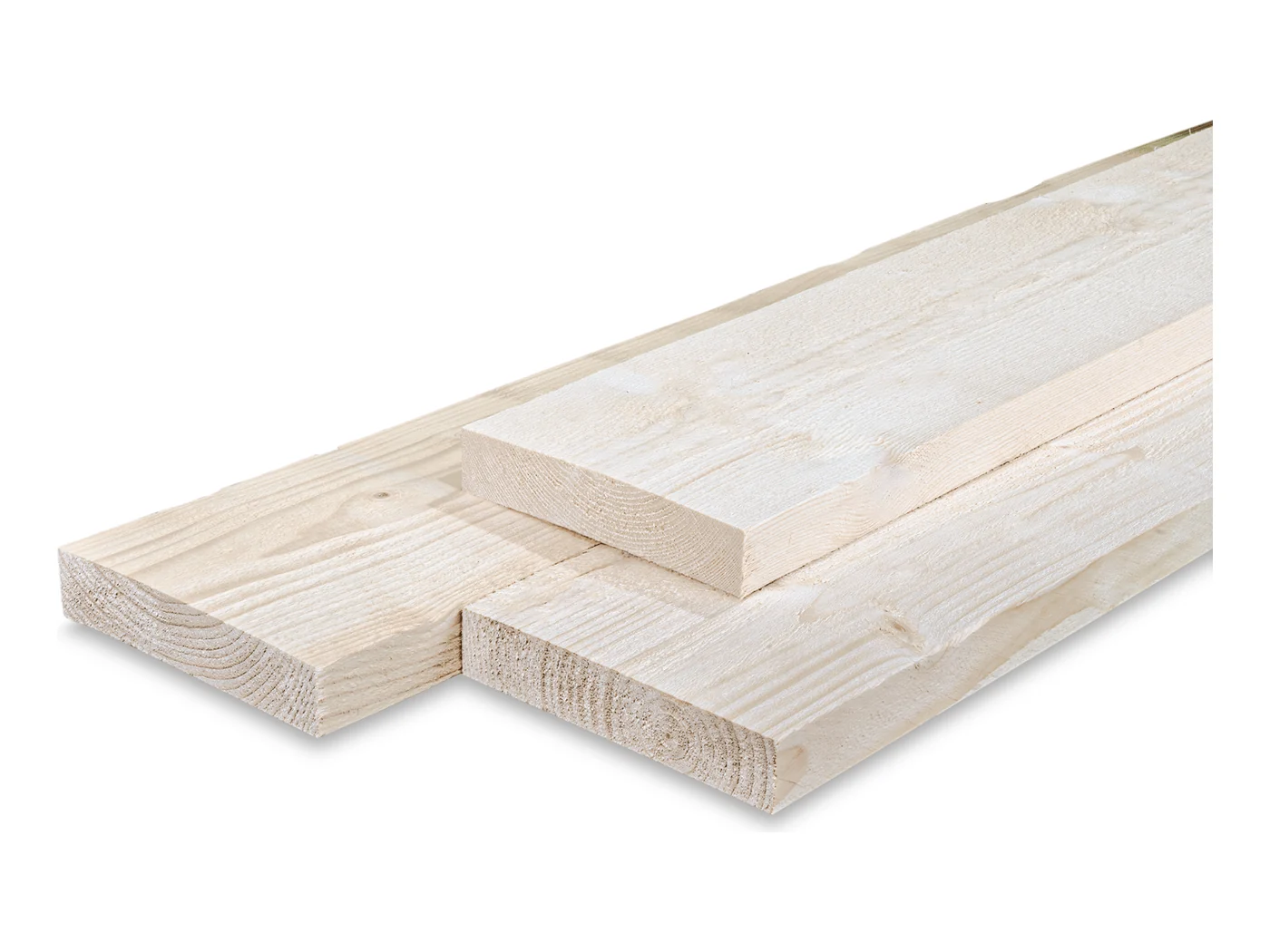
Larch or spruce for cladding: differences in weathering, look and price
Larch or spruce for cladding: colour, natural resistance, surface and price level compared, plus the part played by design detailing.
Read the article
Sawn size and finished size in sawn timber: what is the difference?
Sawn size, finished size, rough-sawn or planed: what a size specification for sawn timber refers to, what drying and planing change about it and what that means when ordering.
Read the article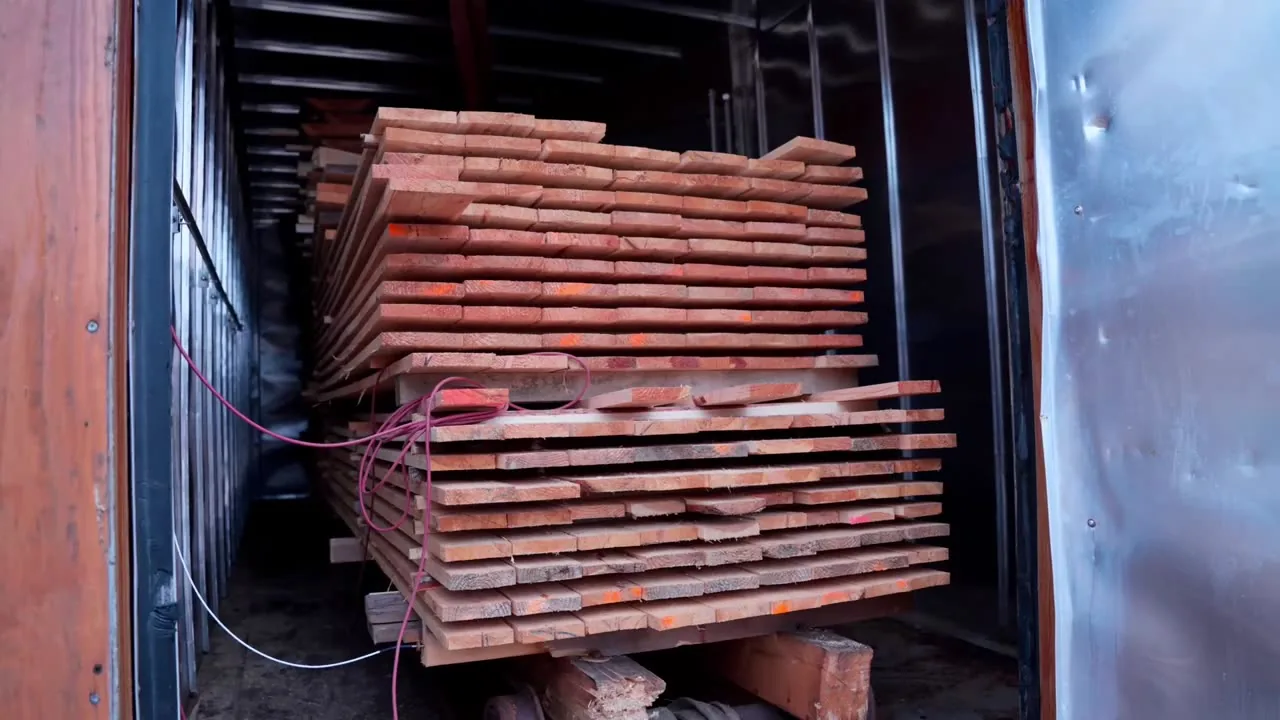
Freshly sawn, air-dried or kiln-dried: what is the difference?
Freshly sawn, air-dried (AD) or kiln-dried (KD): what the specifications for the drying condition mean, how the two processes differ and what matters about moisture content.
Read the article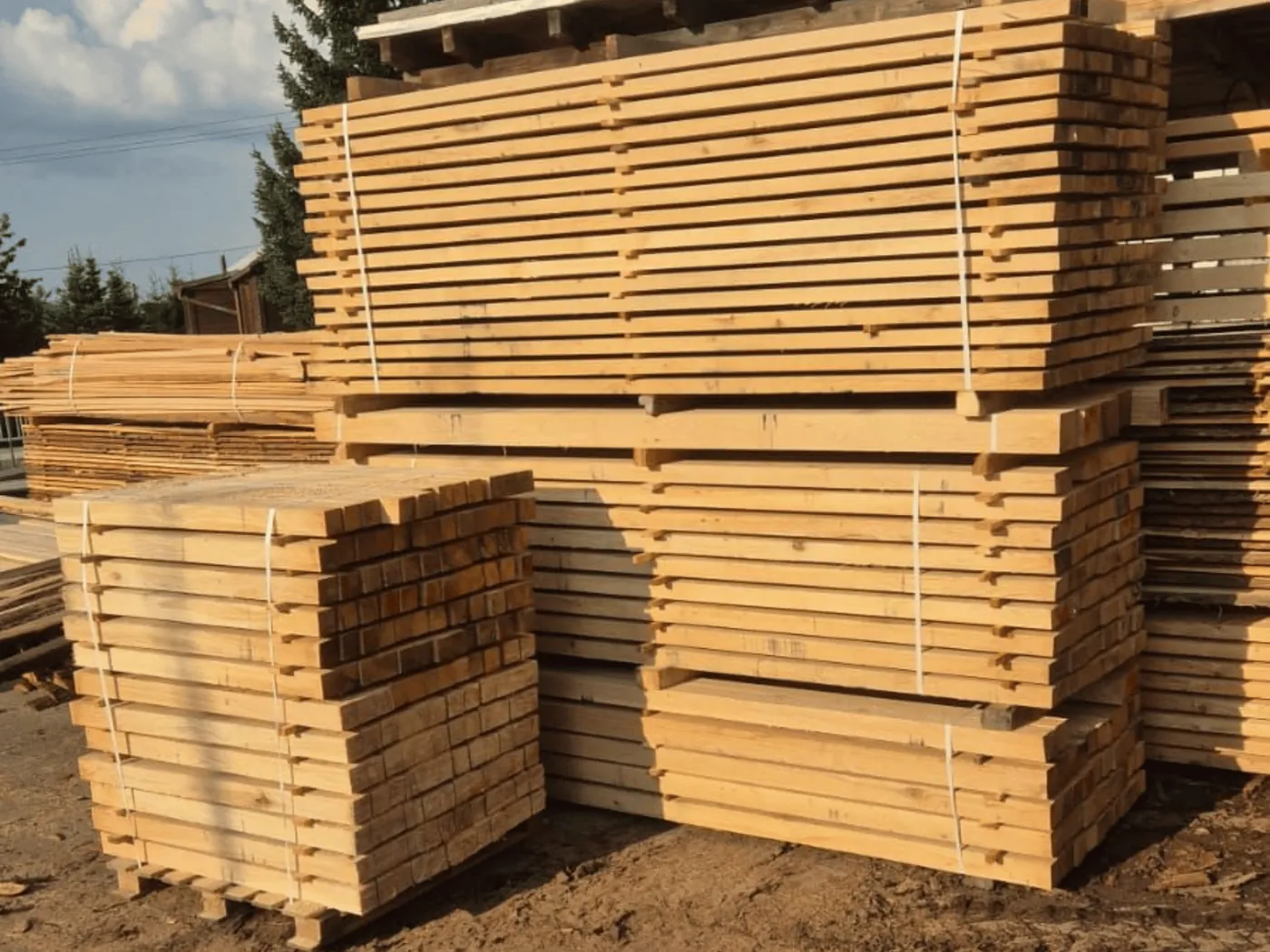
Timber species compared: oak, larch or spruce?
Oak, larch and spruce compared: properties, behaviour outdoors and typical areas of use of the three native timber species.
Read the articleHandrails
Timber species, profile, diameter, fitting and the requirements for accessibility.
View Handrails in the range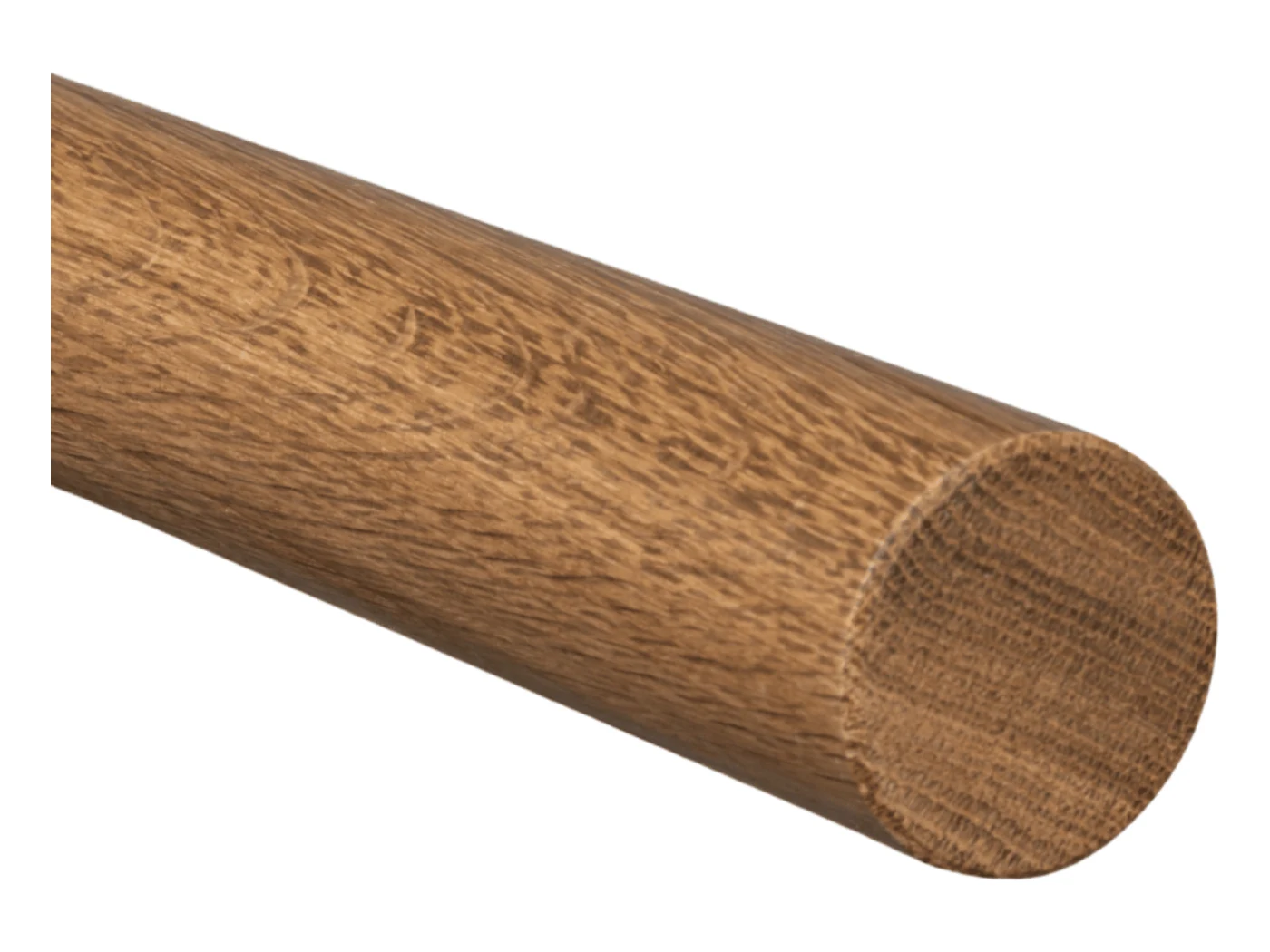
The guides explain background and differences. Short answers about ordering, delivery and quantities are with the frequently asked questions, and which timber is used in which area is shown in the overview of areas of use.
Still have questions, or would you like to send us an enquiry?
The product, size, quantity and delivery postcode are enough. Your written quote follows promptly, usually within 24 hours.
Rather speak to us directly? We are available Mon–Fri 8.00–18.00. In writing you can reach us through the contact form or by e-mail at info@worldwide-wood.de.