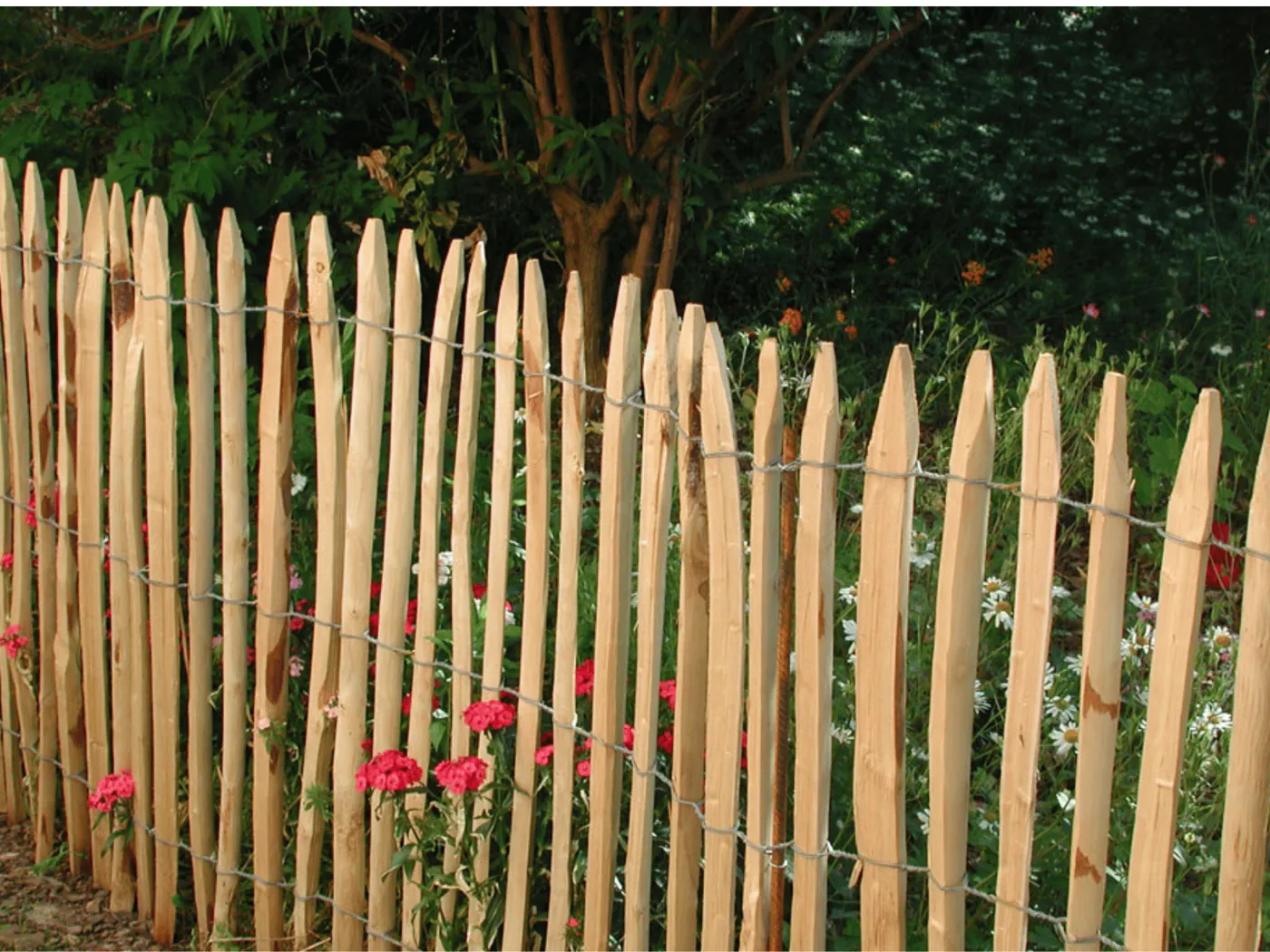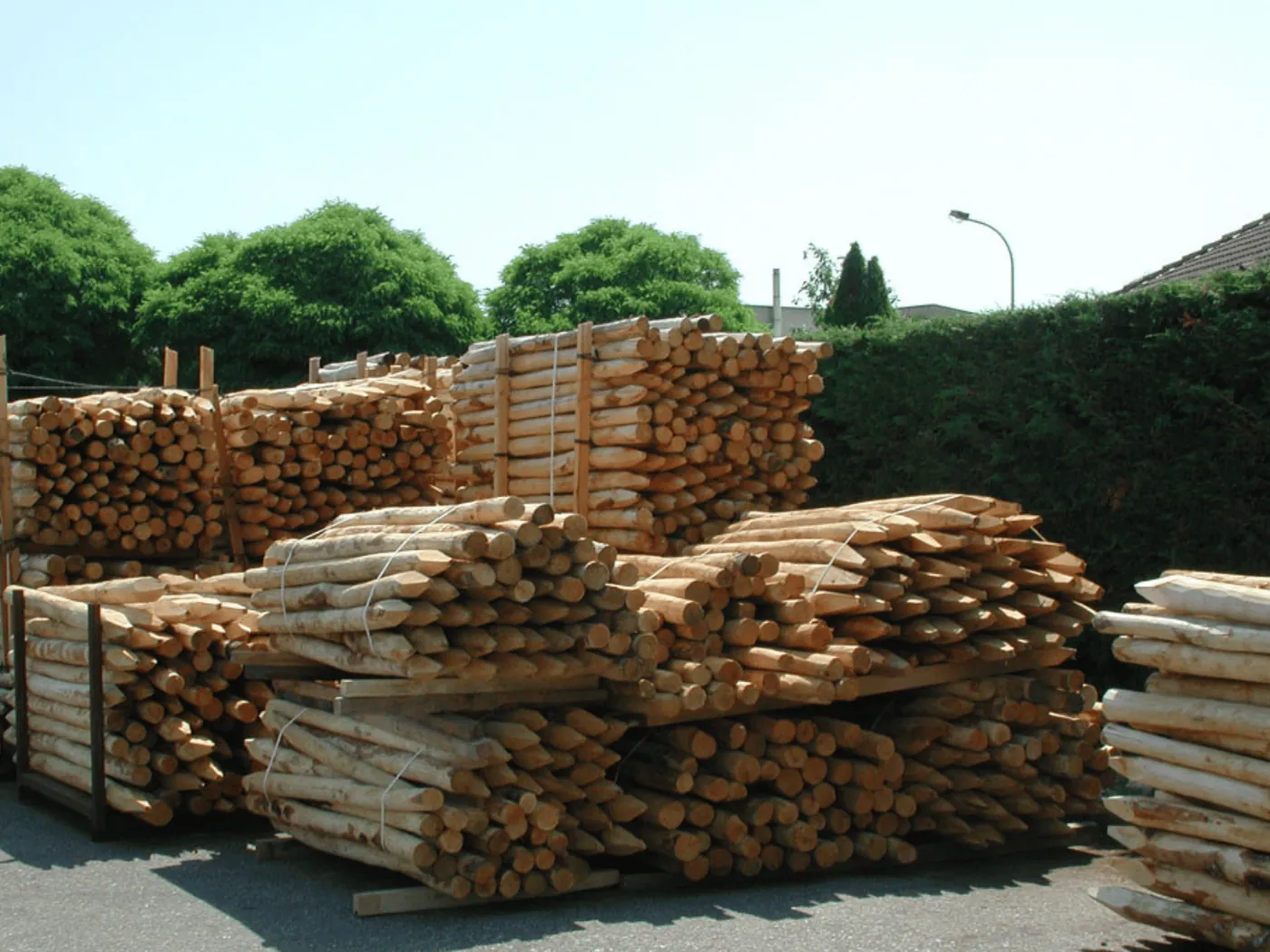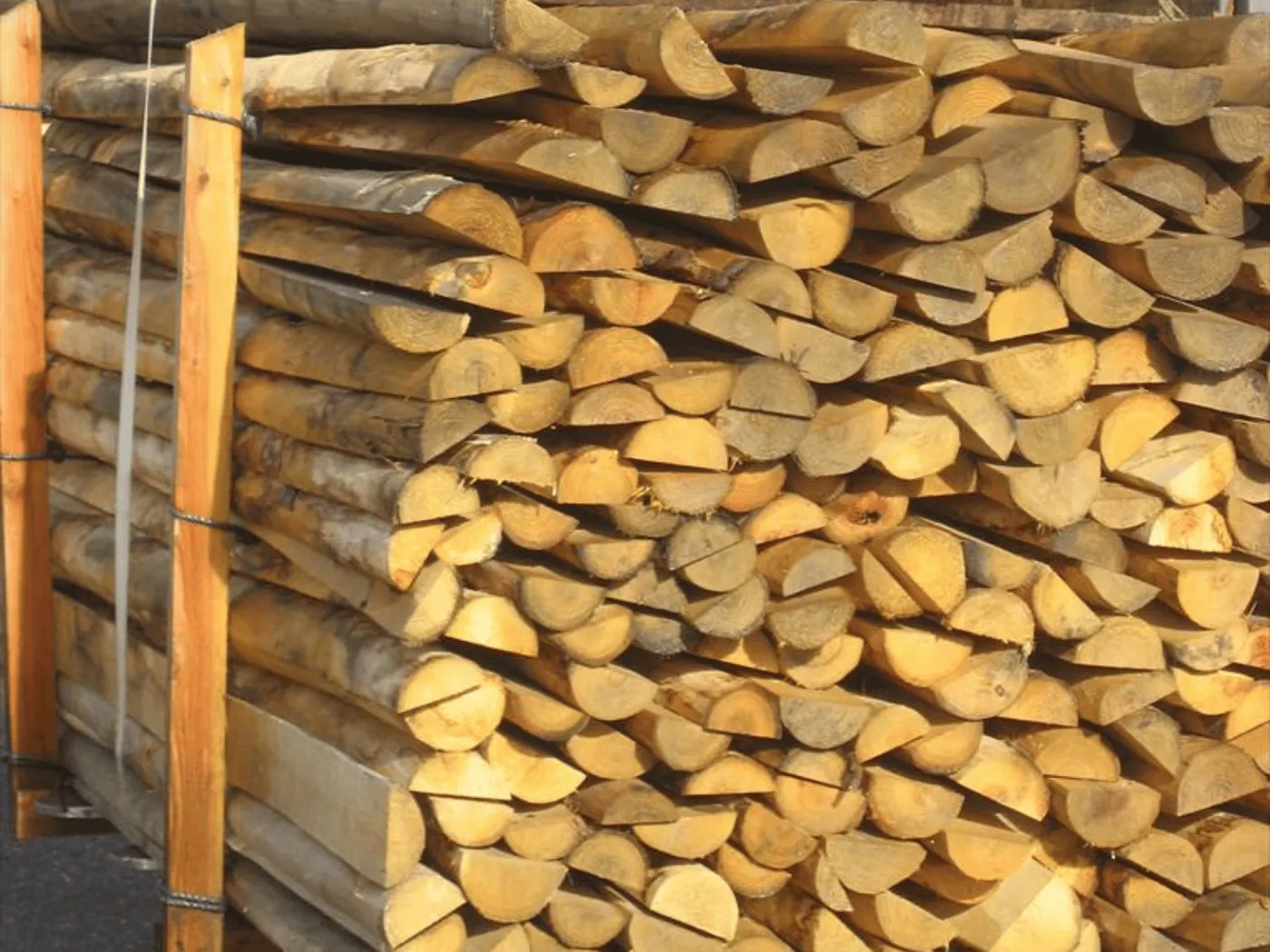

A sweet chestnut paling fence is supplied as flexible roll stock and is aligned and fixed on site along the fence line wanted. The individual palings are joined with galvanised wire and produce a natural, adaptable garden fence.
What do you need for a chestnut paling fence?
Our sweet chestnut paling fence is available in different heights, paling spacings and versions. Depending on the version, sawn or cleft palings are used.
To go with it we stock sweet chestnut round posts. For fixed horizontal fence constructions, sweet chestnut half-round rails are also available; the rest of the fence timber is in Fences & Fence Posts.
For the build you essentially need:
- sweet chestnut paling fence in the height wanted
- suitable timber posts
- corrosion-resistant fixings suitable for sweet chestnut and outdoor use
- string and a tape measure
- tools for setting the posts
- tools for cutting the wire binding
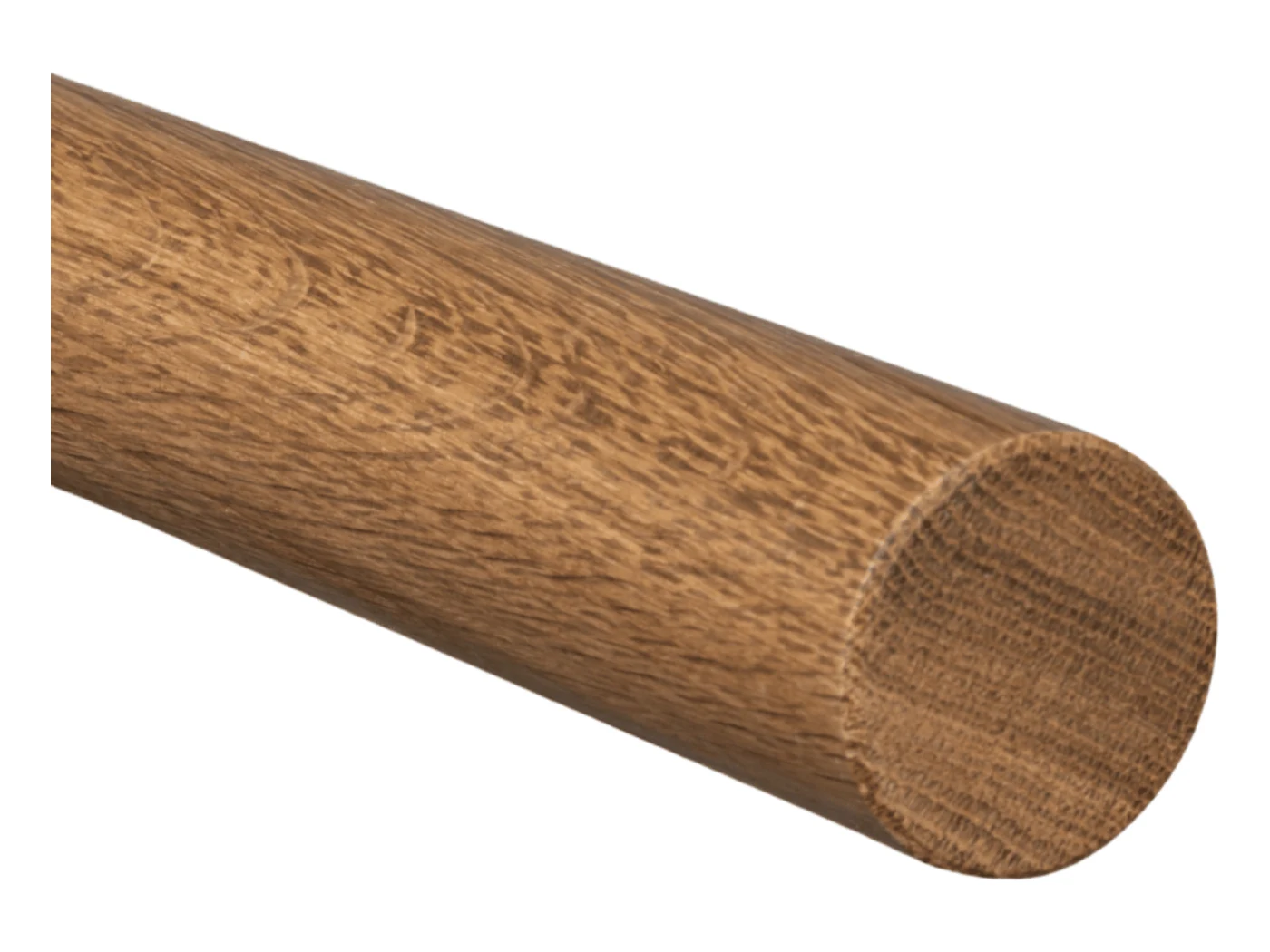
Anyone who wants to combine the fence and the posts in the same timber species can use sweet chestnut round posts. They are naturally grown, debarked and available in various lengths and diameters.
The post dimension and spacing depend on the fence height, the soil, the terrain and the construction.
Sawn or cleft palings?
With the sweet chestnut paling fence there are sawn and cleft palings depending on the version.
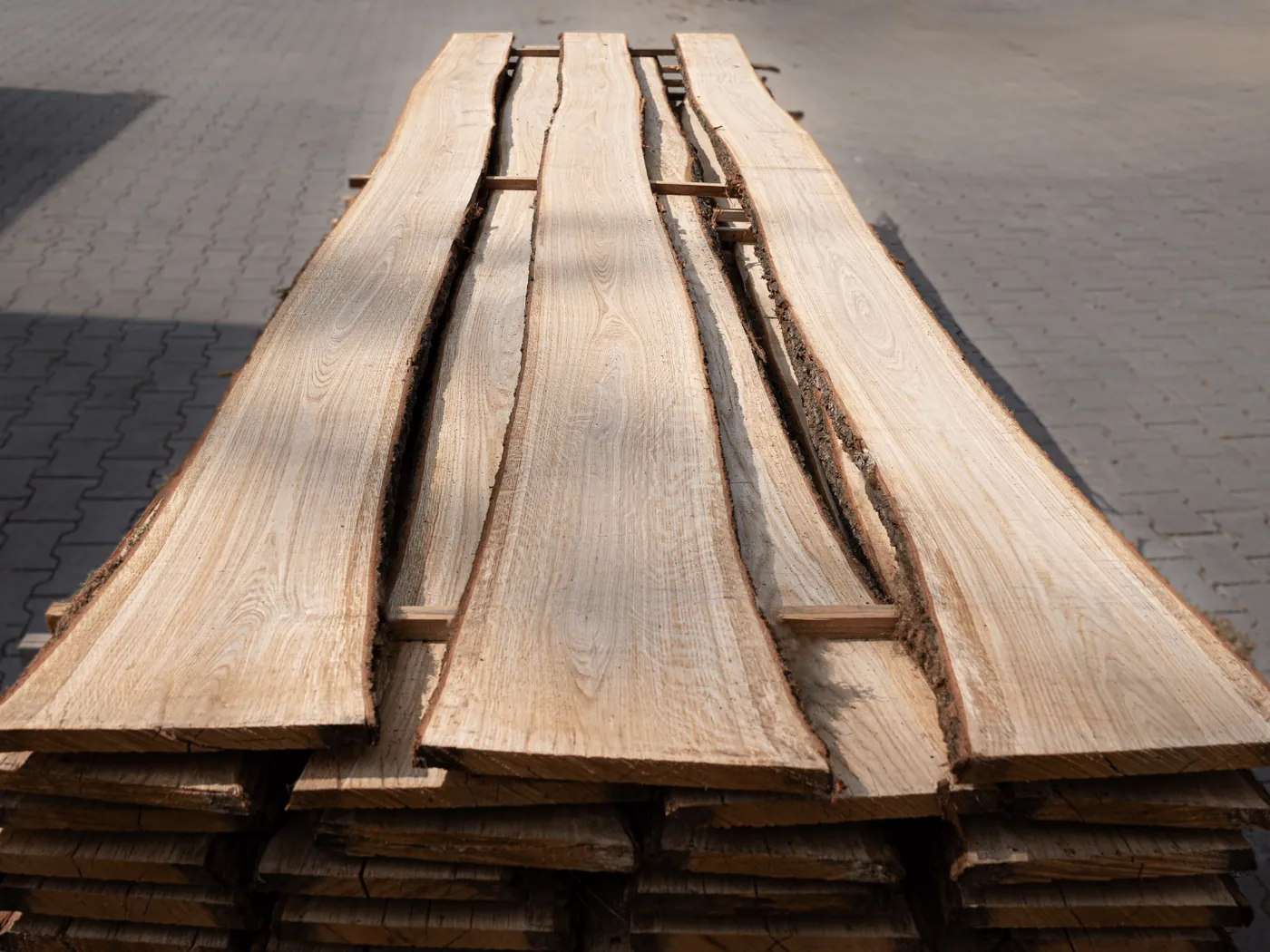
Sawn palings tend to look more even and produce a calmer fence appearance.
Cleft palings follow the natural grain more closely. When cleaving, the timber is separated along its fibres, so fewer fibres are cut through than when sawing. Width, edges and shape can vary more distinctly, which produces the typically original character of a paling fence.
The two versions therefore differ not only in the fence appearance but also in how the timber was separated. Which version is available in which height and with which paling spacing is given on the product page.
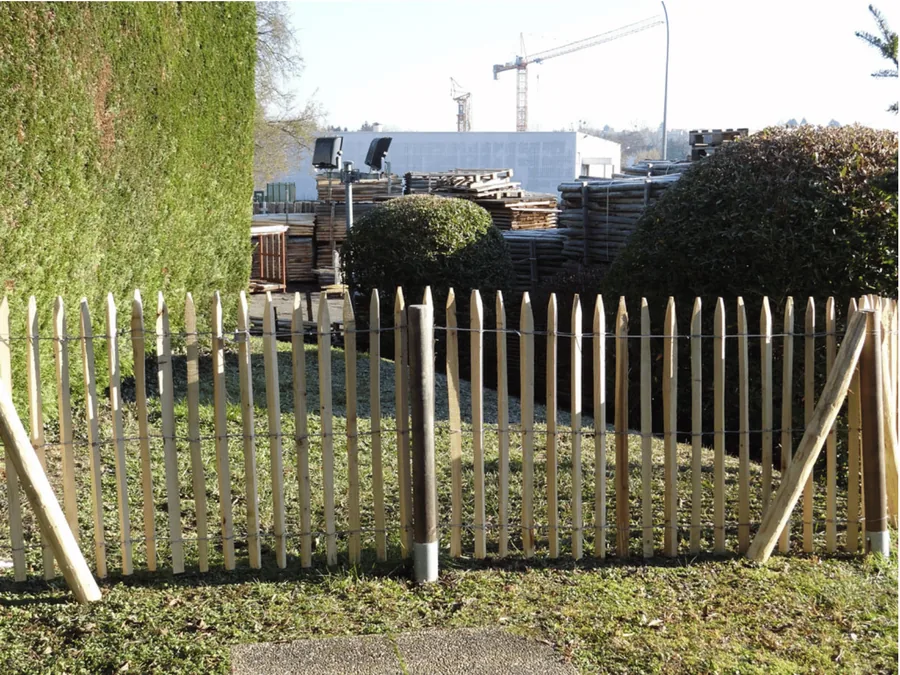
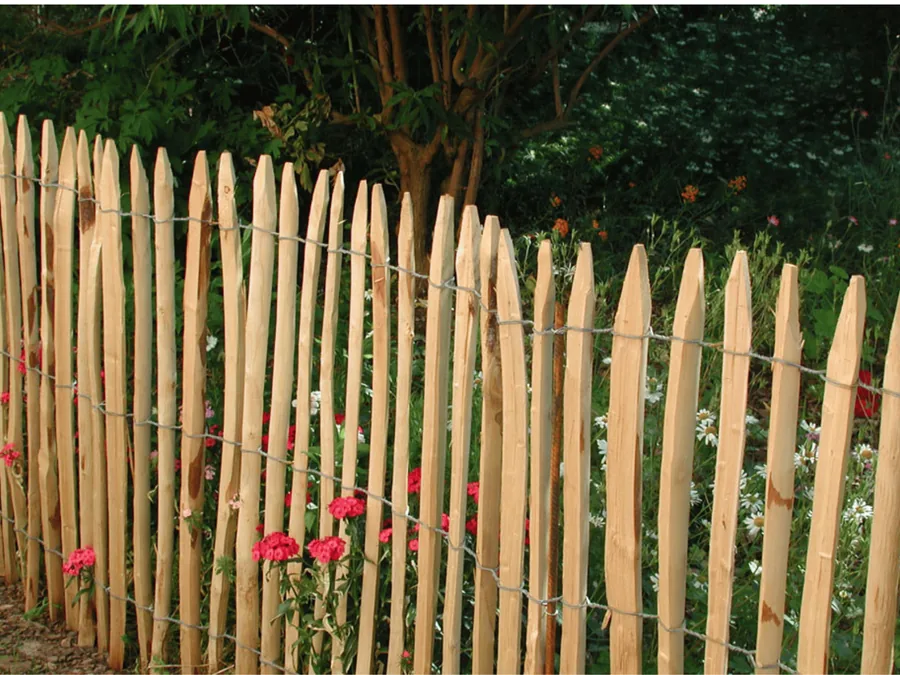
Sawn looks more even, cleft more naturally grown.
Setting out the fence line and the posts
Before unrolling, the whole run of the fence should be settled.
First the start, end, corners, gates and changes of direction are marked. A taut string helps to align the posts along straight runs.
Corner, end and gate posts are more heavily loaded than ordinary intermediate posts and should be built accordingly. Depending on the fence height, the fence length, the tension of the wire binding and the construction, additional braces or supports can be sensible or necessary.
There is no universally valid setting depth or fixed post spacing. What matters includes the fence height, the soil, the post dimension, the terrain and the loading.
You will find more on the different post shapes in the guide Cleft post or round post: which shape suits which job?.
Unrolling and aligning the paling fence
Once the posts are standing, the roll is unwound along the fence line.
It is best to work section by section: position the roll at the starting post, unwind a part, align it and then fix it at the next post.
With pointed palings the points usually face upwards.
The wire binding keeps the paling fence flexible, so that within certain limits it can adapt to slight differences in height and uneven terrain.
Direct permanent ground contact of the palings should be avoided as far as possible, so that the timber ends can dry out again after being wetted.
Fixing wire to the post
Every row of wire present is fixed at every post with suitable, corrosion-resistant fixings.
The fence should stand taut enough without straining the wire binding unnecessarily. The aim is an even run with the palings standing as upright as possible.
How many fixing points are required depends on the number of rows of wire in the version in question.
The heights, paling spacings, rows of wire and roll lengths available are given directly on the product page Sweet chestnut paling fence.
Corners, gates and slopes
At distinct changes of direction a corner post of its own is advisable. The individual sections of fence can be brought together cleanly there.
Gates should also be taken into account in the first layout. Gate posts are more heavily loaded than ordinary intermediate posts and, depending on the construction, may need an additional support.
Thanks to the flexible wire binding, the fence can also be adapted to slopes and slight unevenness in the ground. With more pronounced crests, hollows or changes of direction, additional posts can be sensible.
You will find further information on garden fences under Garden fencing & landscaping.
Shortening the paling fence and joining rolls
The roll stock can be shortened on site to the length needed.
To do that, the wire binding is cut at the point wanted and finished off so that the last paling is held securely.
Cut or projecting wire ends are bent back safely or otherwise secured so that no sharp ends stick out.
At corners, gates and junctions, some reserve material should be allowed for. Several rolls can be brought together cleanly at one post.
Sweet chestnut round posts to match the fence
For a fence entirely in sweet chestnut, sweet chestnut round posts can be combined with the sweet chestnut paling fence.
The posts are naturally grown, debarked and available in various lengths and diameters. Depending on the version they are offered pointed or blunt.
Which dimension is needed depends on the fence height, the soil and the position of the post in question.
Alternative: chestnut fence with half-round rails
Anyone who does not want roll stock can also build a chestnut fence with fixed horizontal elements.
Our sweet chestnut half-round rails are naturally grown and sawn half-round. They are combined with suitable posts and produce a considerably more straight-lined rail fence.
- Sweet chestnut paling fence
Flexible roll stock of palings and wire. - Sweet chestnut half-round rails
Fixed horizontal timber elements for a rail fence.
How much paling fence do you need?
For working out quantities, all part runs should be measured individually.
Take into account:
- the total fence length
- corners and changes of direction
- gates and openings
- the posts needed
- some reserve for cutting and junctions
Depending on the version, the sweet chestnut paling fence is offered as a roll of 5 or 10 linear metres. Matching posts and the rest of the fence timber are in the Fences & Fence Posts category.
More options for your garden fence
Are you planning a different garden fence rather than a paling fence? With our garden fence calculator you can pre-calculate various fence solutions roughly and work out the material requirement.
- 1Enter the fence length
- 2Define the fence construction
- 3Estimate the material requirement
For fences of pales or boards.
To the garden fence calculator A guide only – no substitute for project-specific planning.