
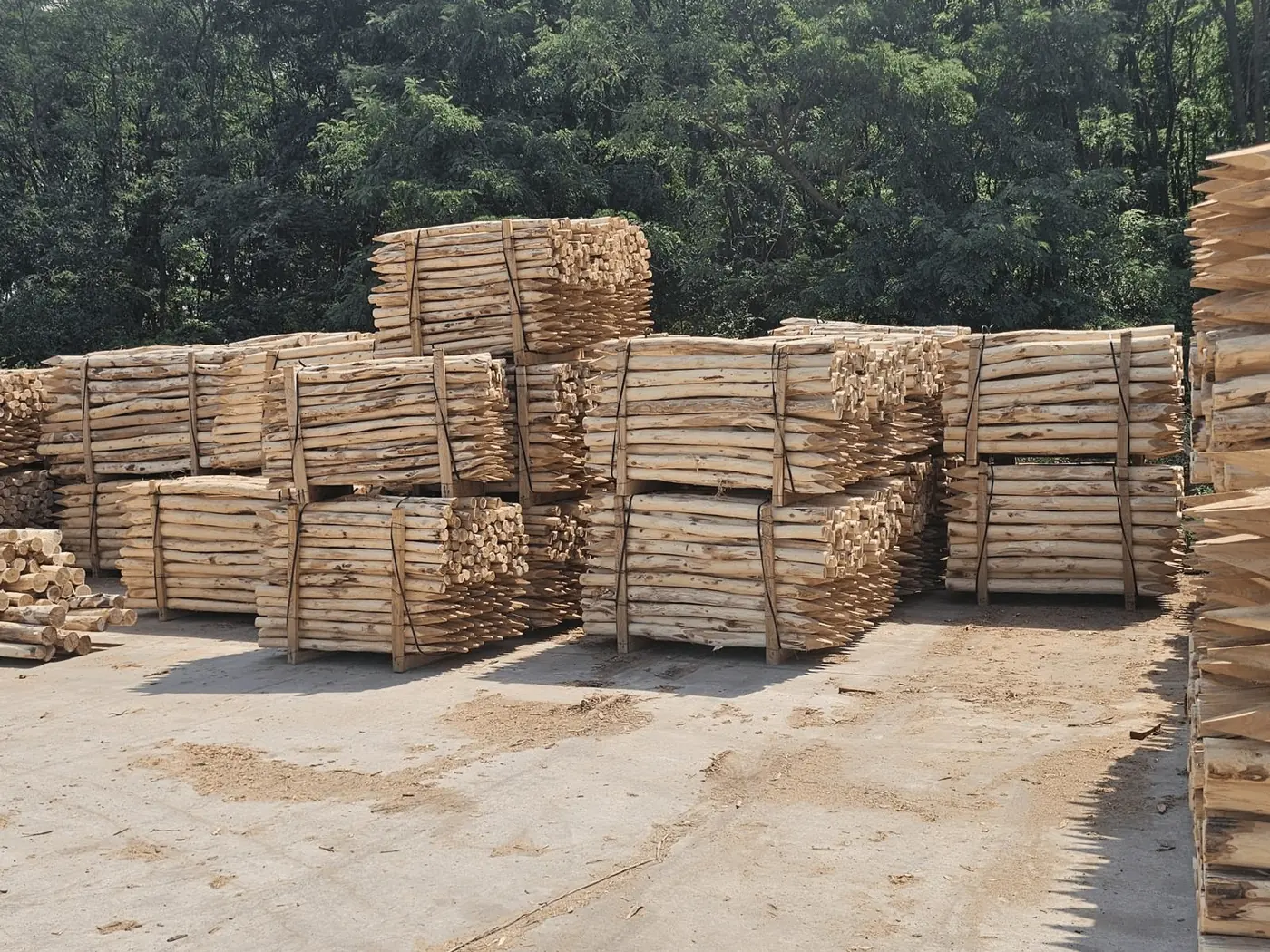
Robinia
Robinia stakes
Round and debarked, untreated without impregnation, pointed or blunt.
Cleft, round or half-round. Machine-rounded, debarked or in bark. In robinia, oak, sweet chestnut, larch and softwood.
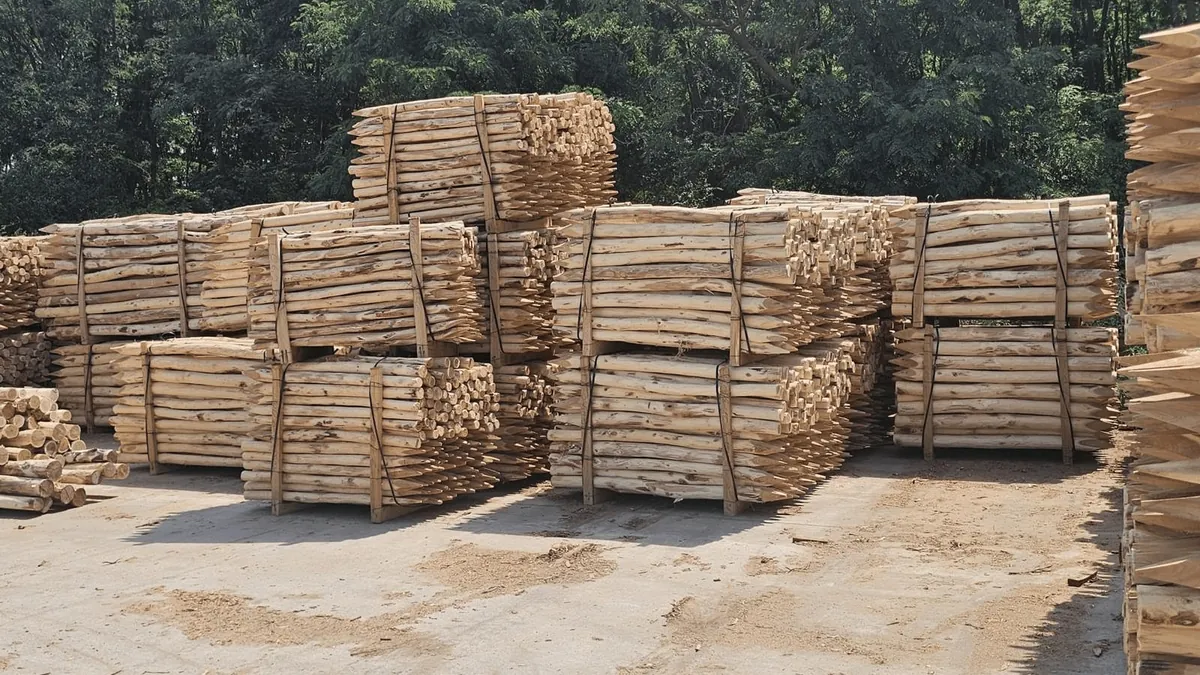
Cleft posts, round posts, half-round rails, palisades and posts in robinia, oak, sweet chestnut, larch and softwood, untreated or impregnated. Available in various lengths, diameters and back widths.
Round and debarked, untreated without impregnation, pointed or blunt.

Cleft as grown, available pointed or blunt. The hardest native timber for pasture fences.
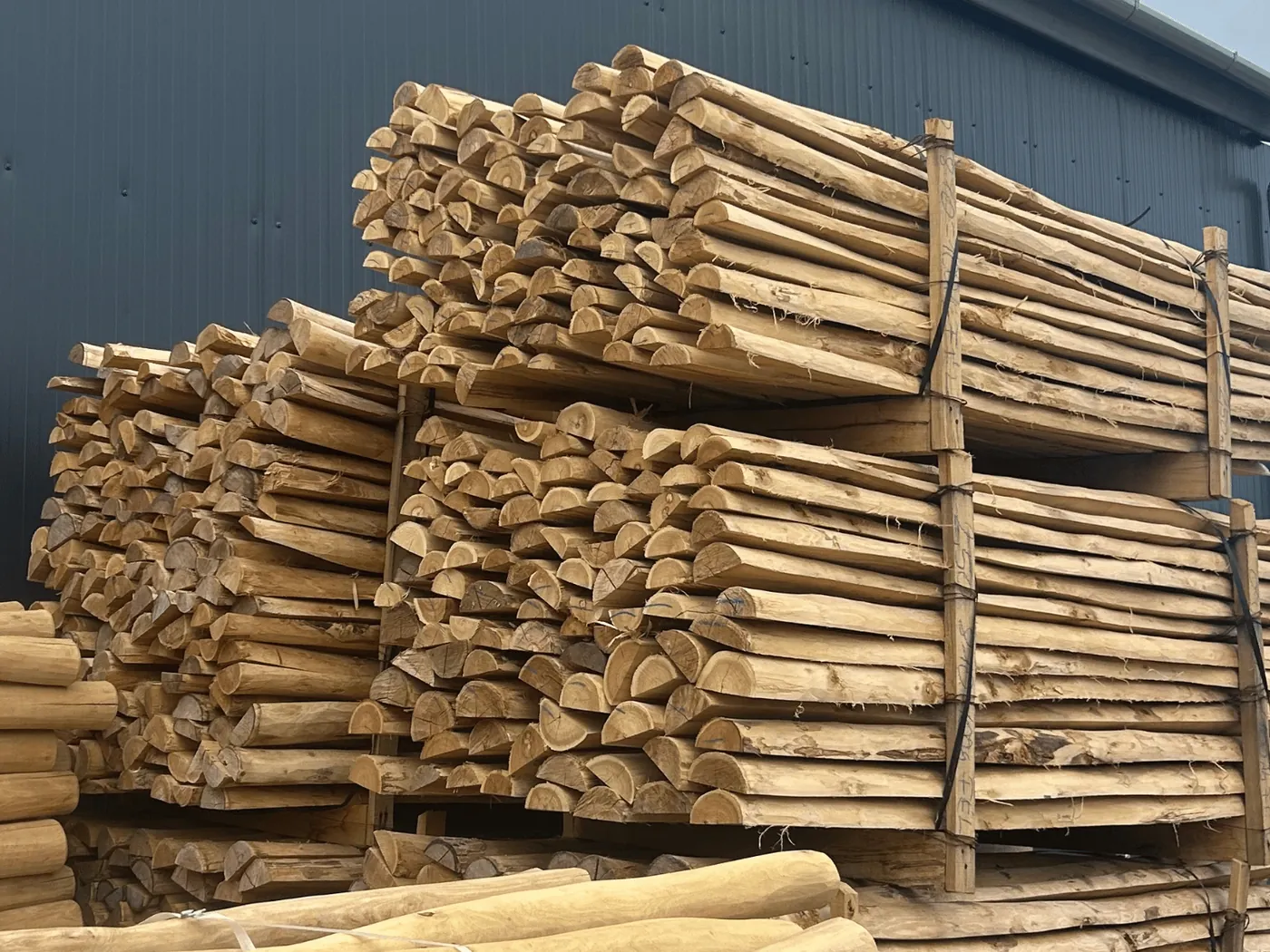
Half-round rails in robinia, debarked and blunt. Often used as cross rails in fencing.
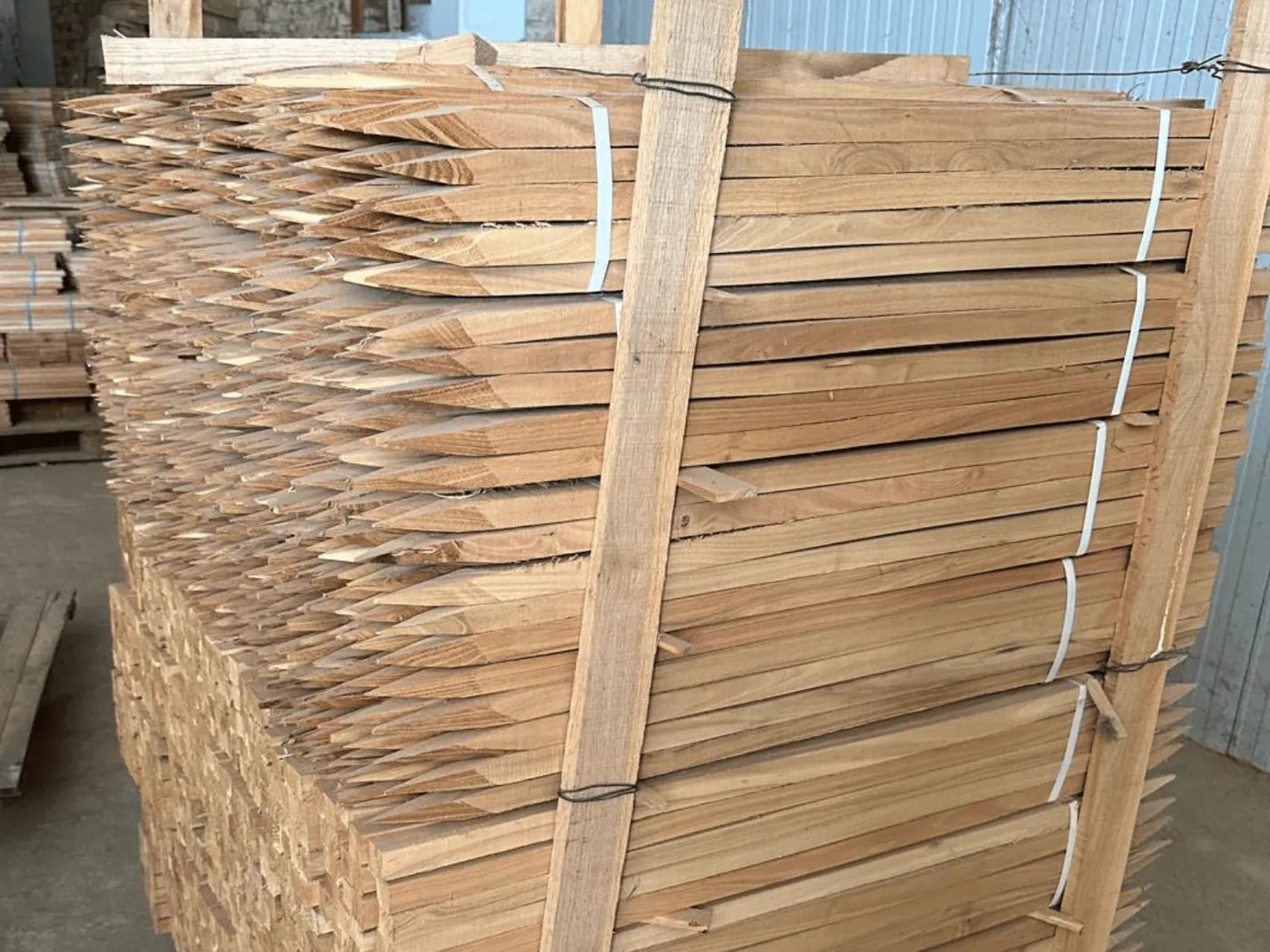
Square plant stakes in robinia, left natural, for vineyards, fruit growing and supporting perennials.
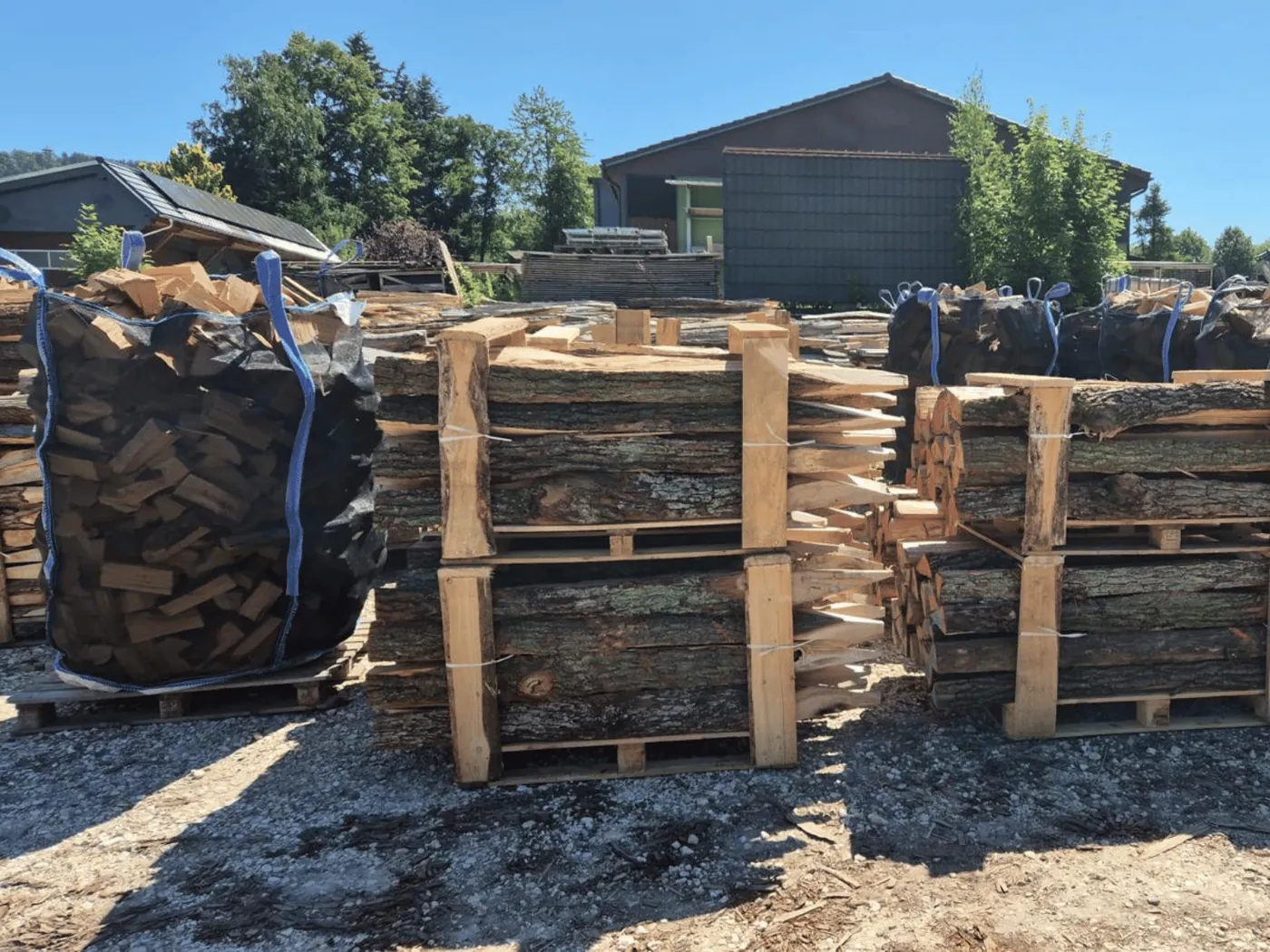
The classic pasture stake, cleft from round timber. Available pointed or blunt.
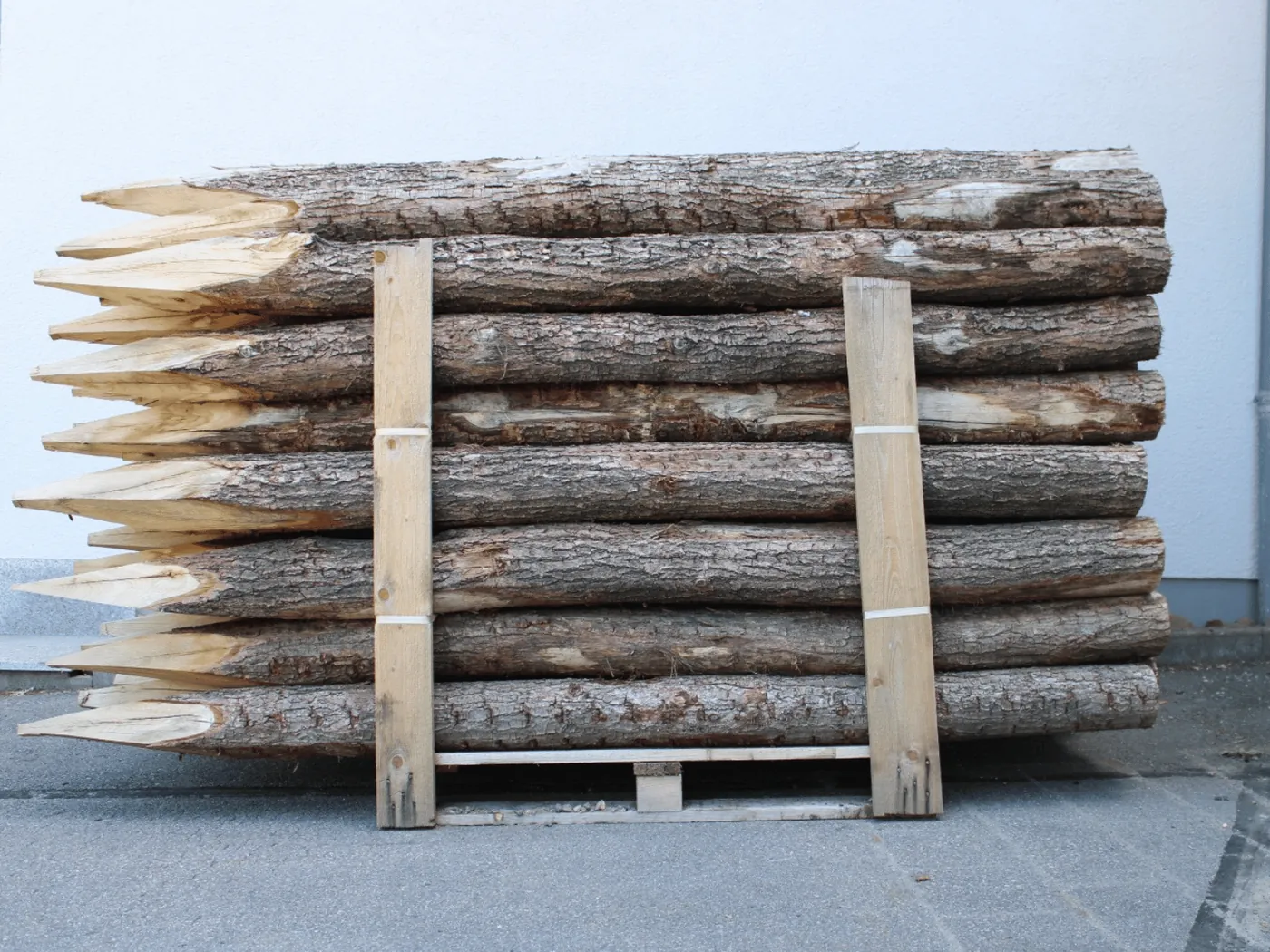
Naturally grown round posts in bark from German oak, left natural, available pointed or blunt.
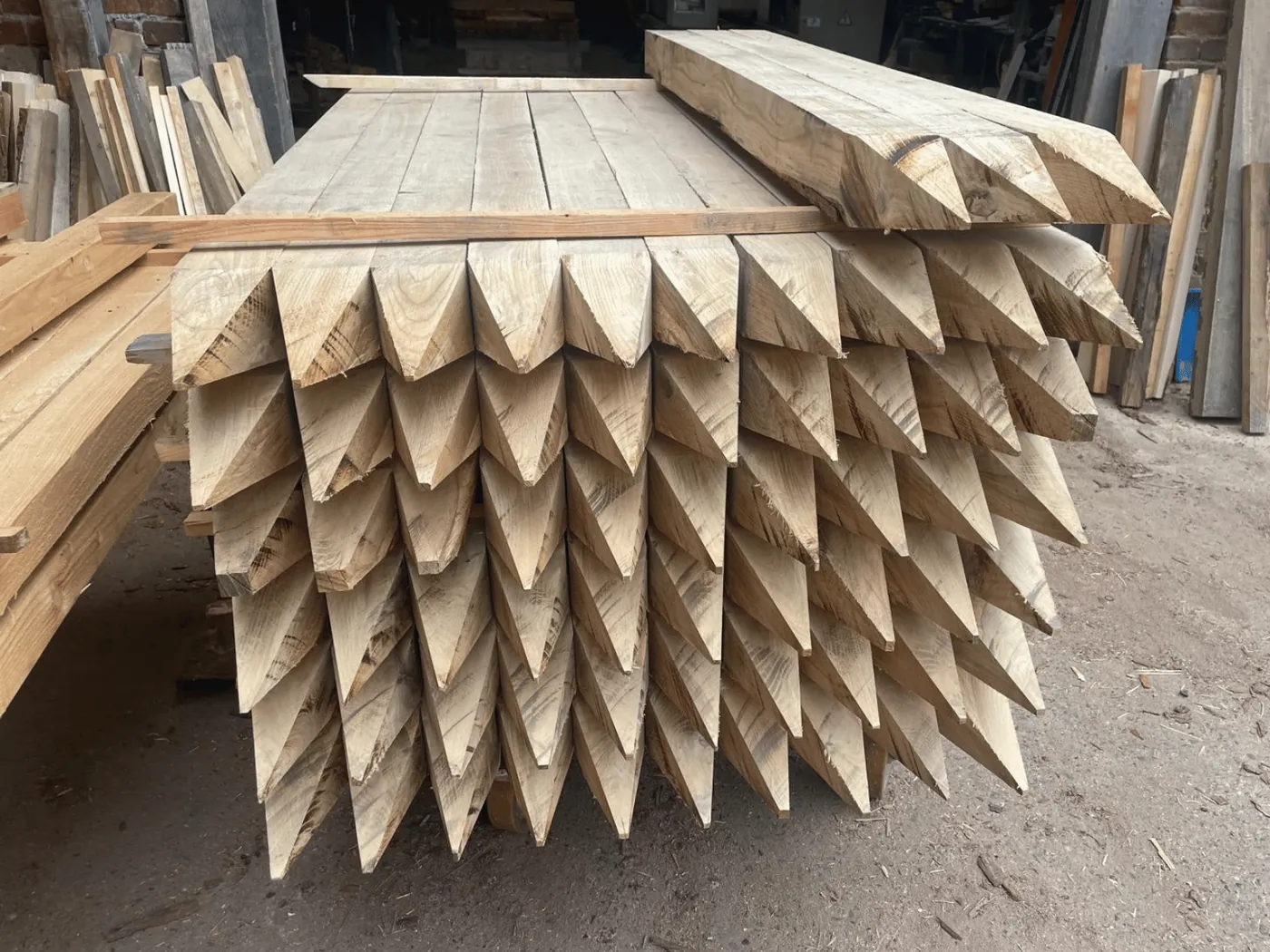
Squared posts in various dimensions. Rough-sawn and freshly sawn, pointed, chamfered or square cut.
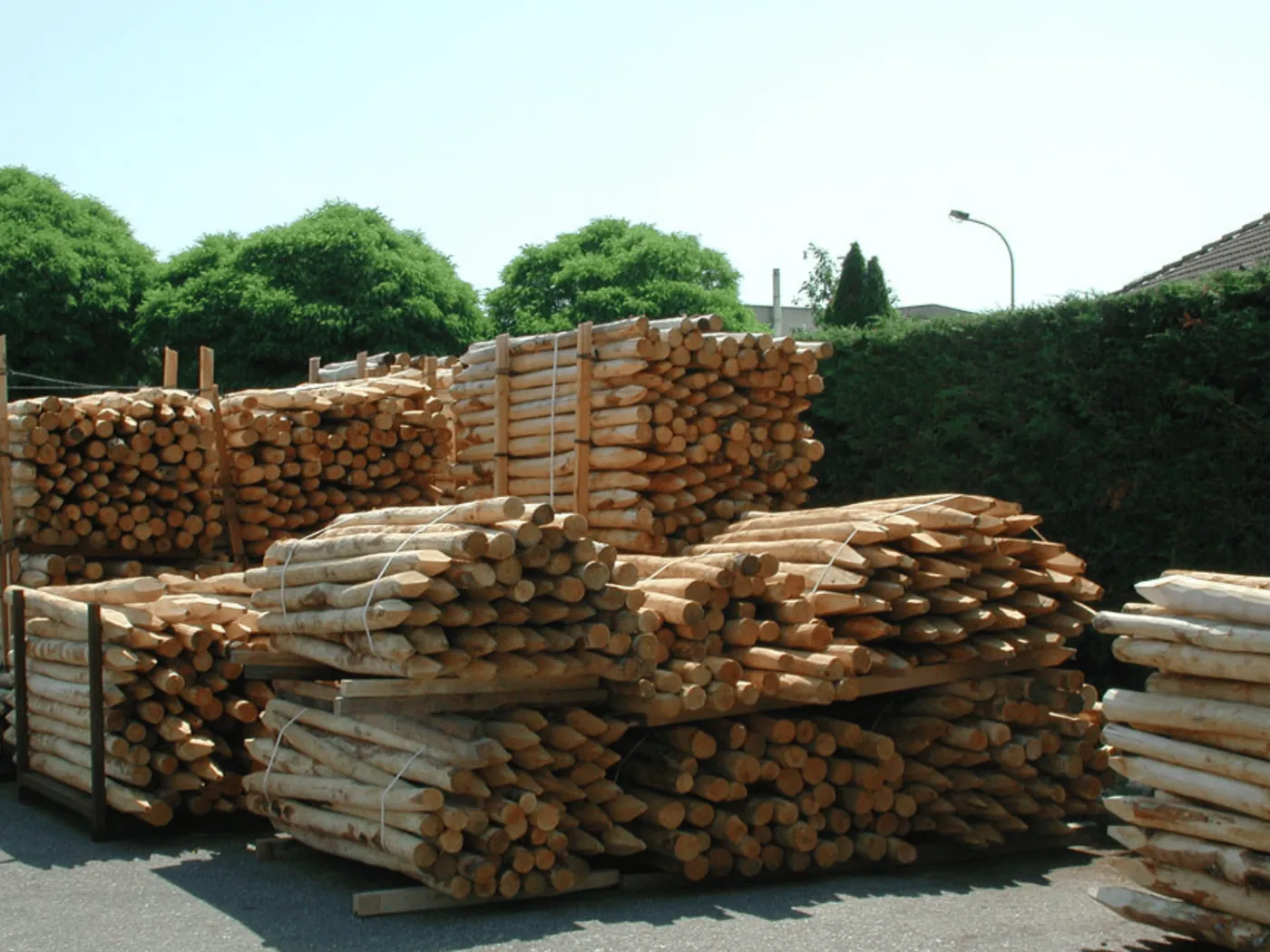
Naturally grown, debarked round posts, left natural without impregnation.
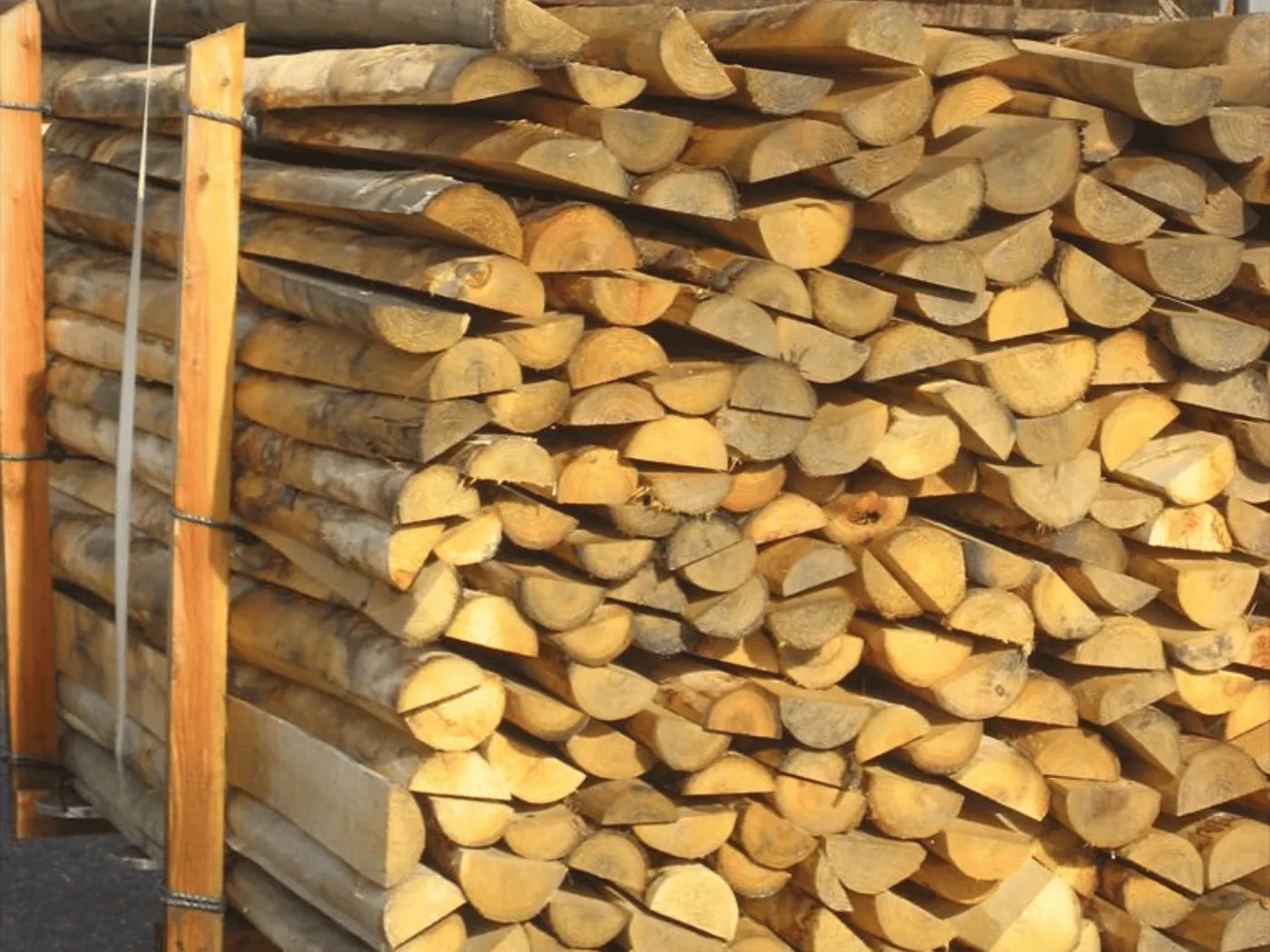
Half-round rails in sweet chestnut, debarked and left natural. Without impregnation, often used as cross rails.
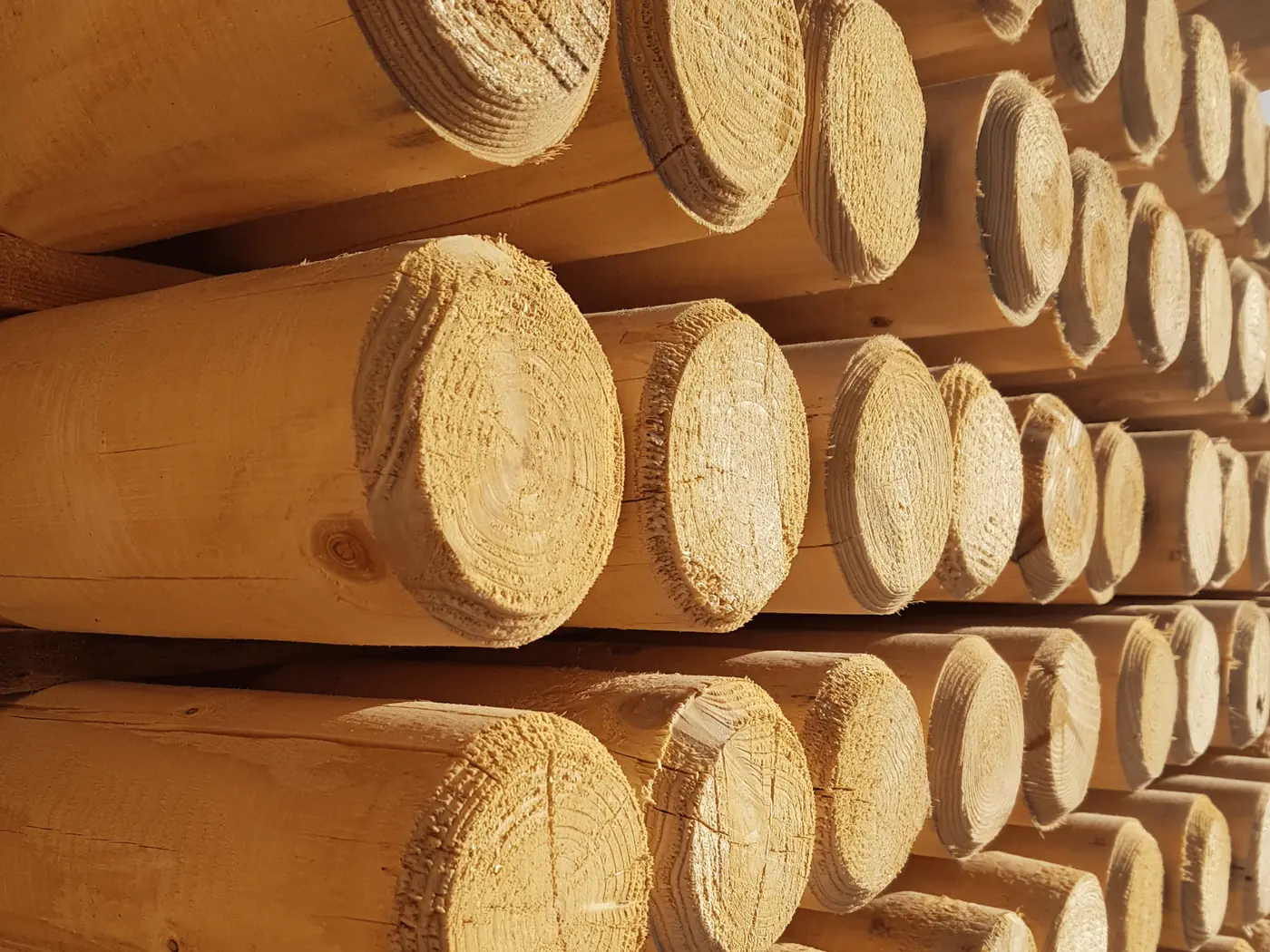
Cylindrically machined stakes, available untreated or impregnated. The economical standard solution.
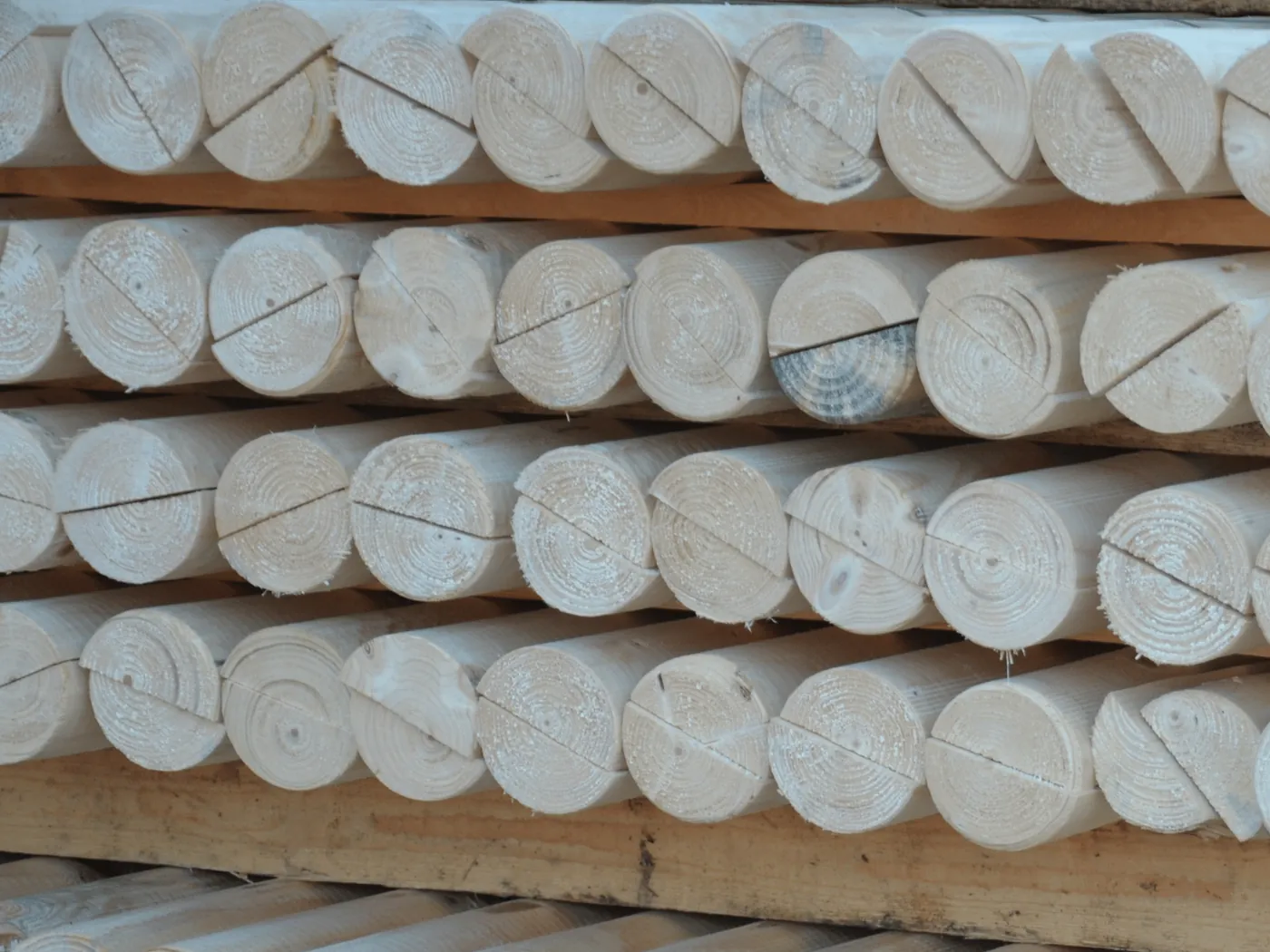
Machine-rounded half-round timbers as rails for paddock and screening fences, untreated or impregnated.
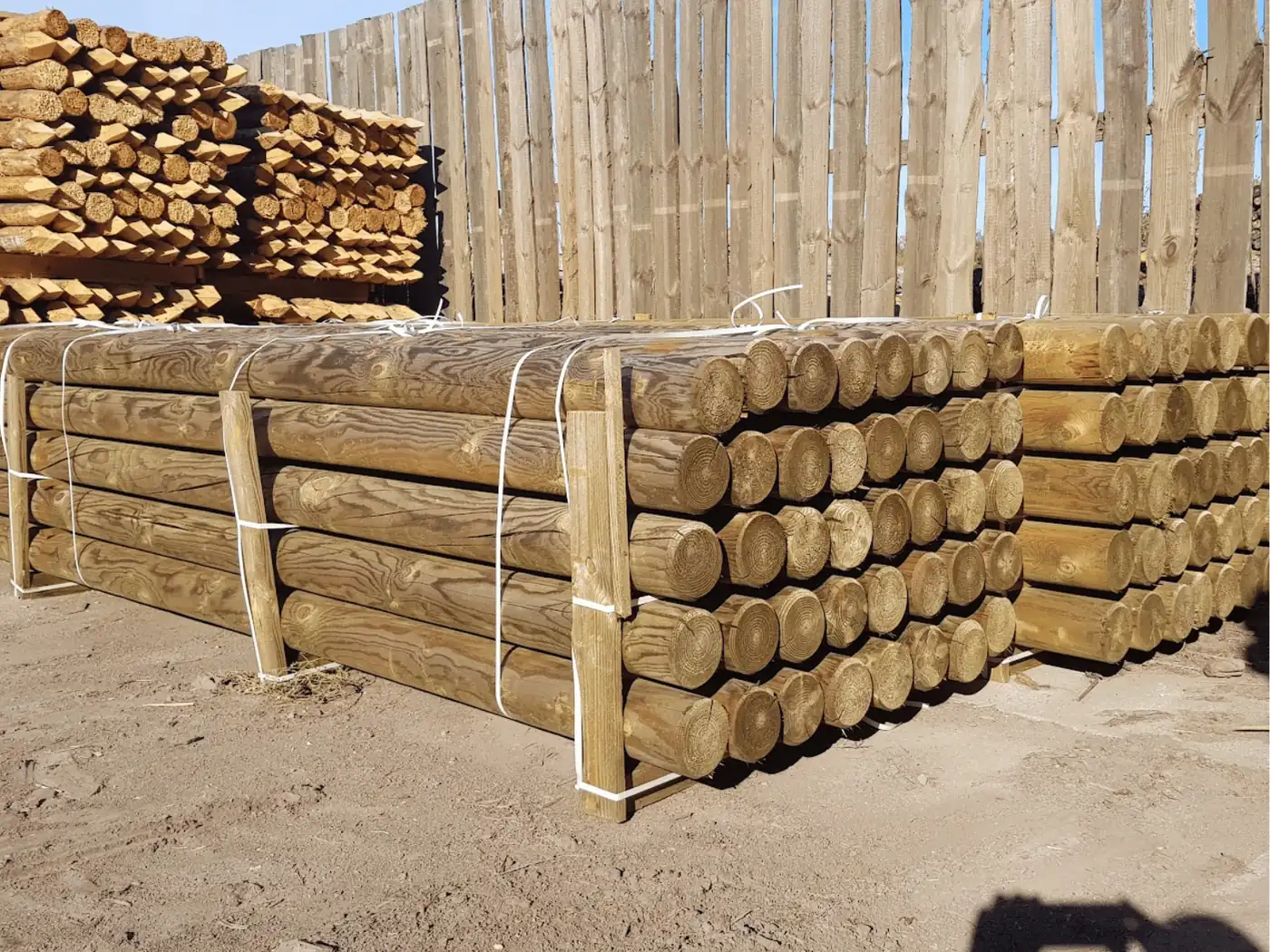
Machine-rounded softwood palisades for slope retention, bed edging and path edges, untreated or impregnated.
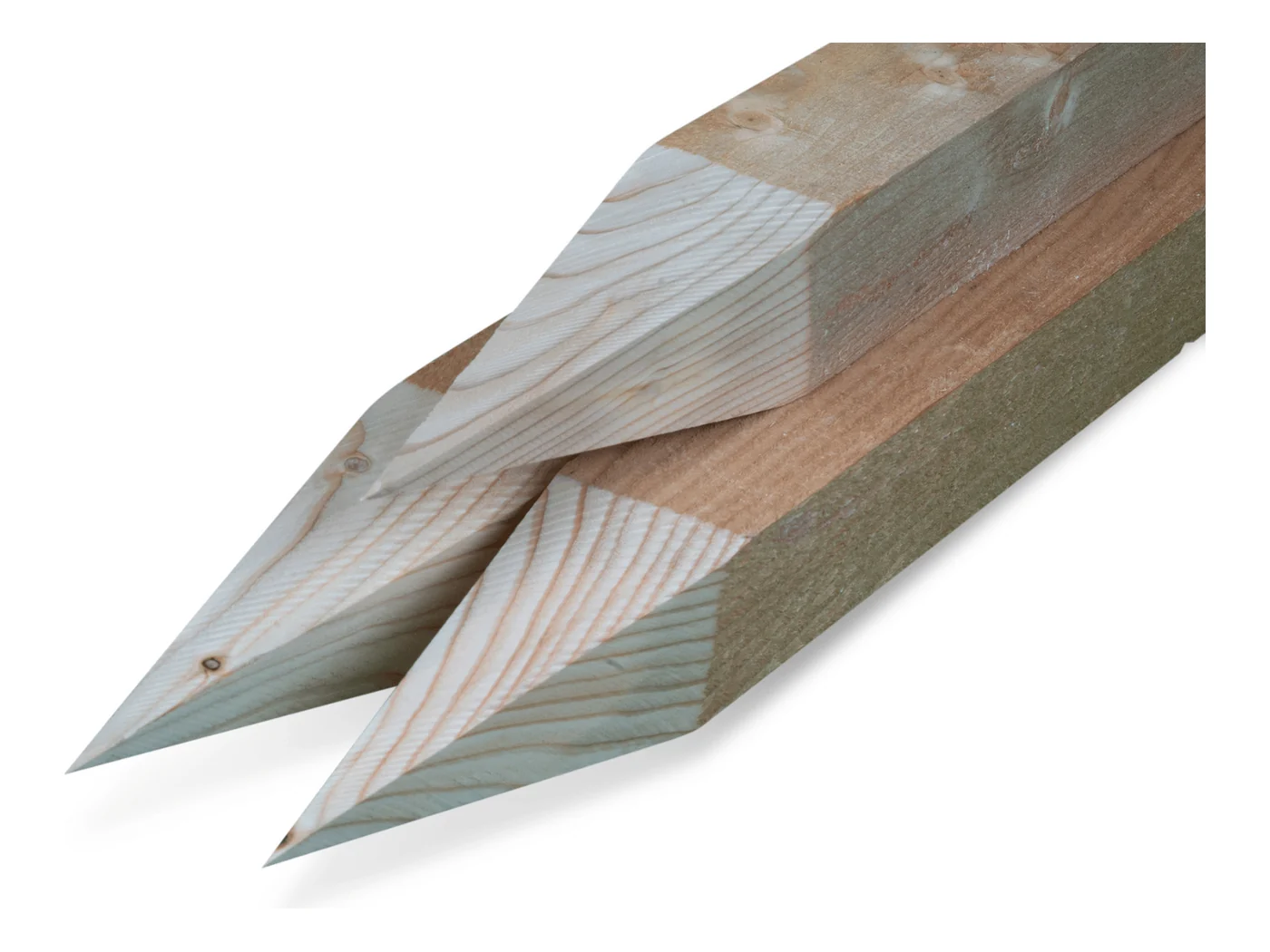
Squared timber in larch, rough-sawn or planed, dimensionally stable as fence, corner and gate posts.
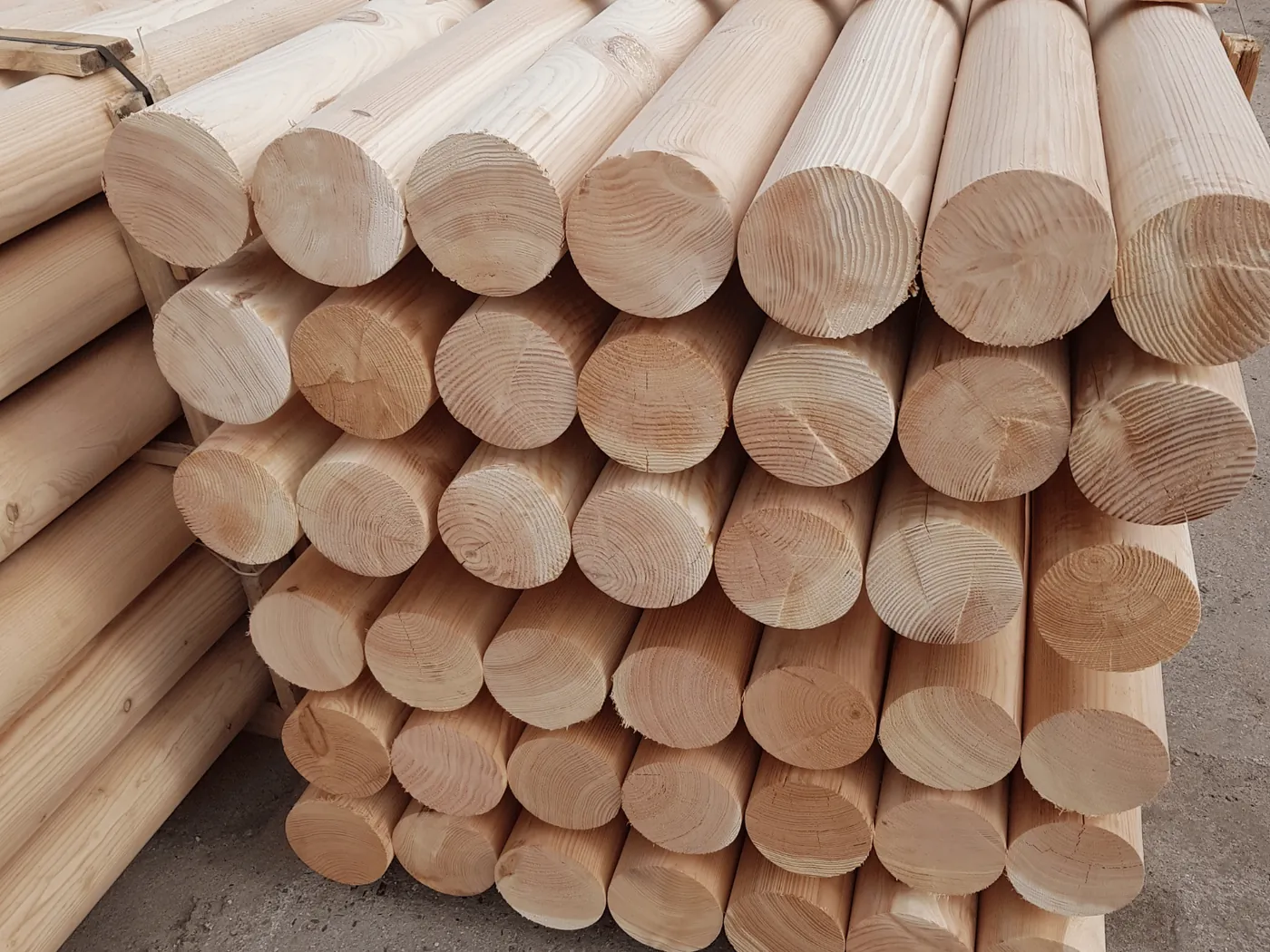
Palisades in larch, machine-rounded, optionally with a head chamfer. For bed edging and slope retention.
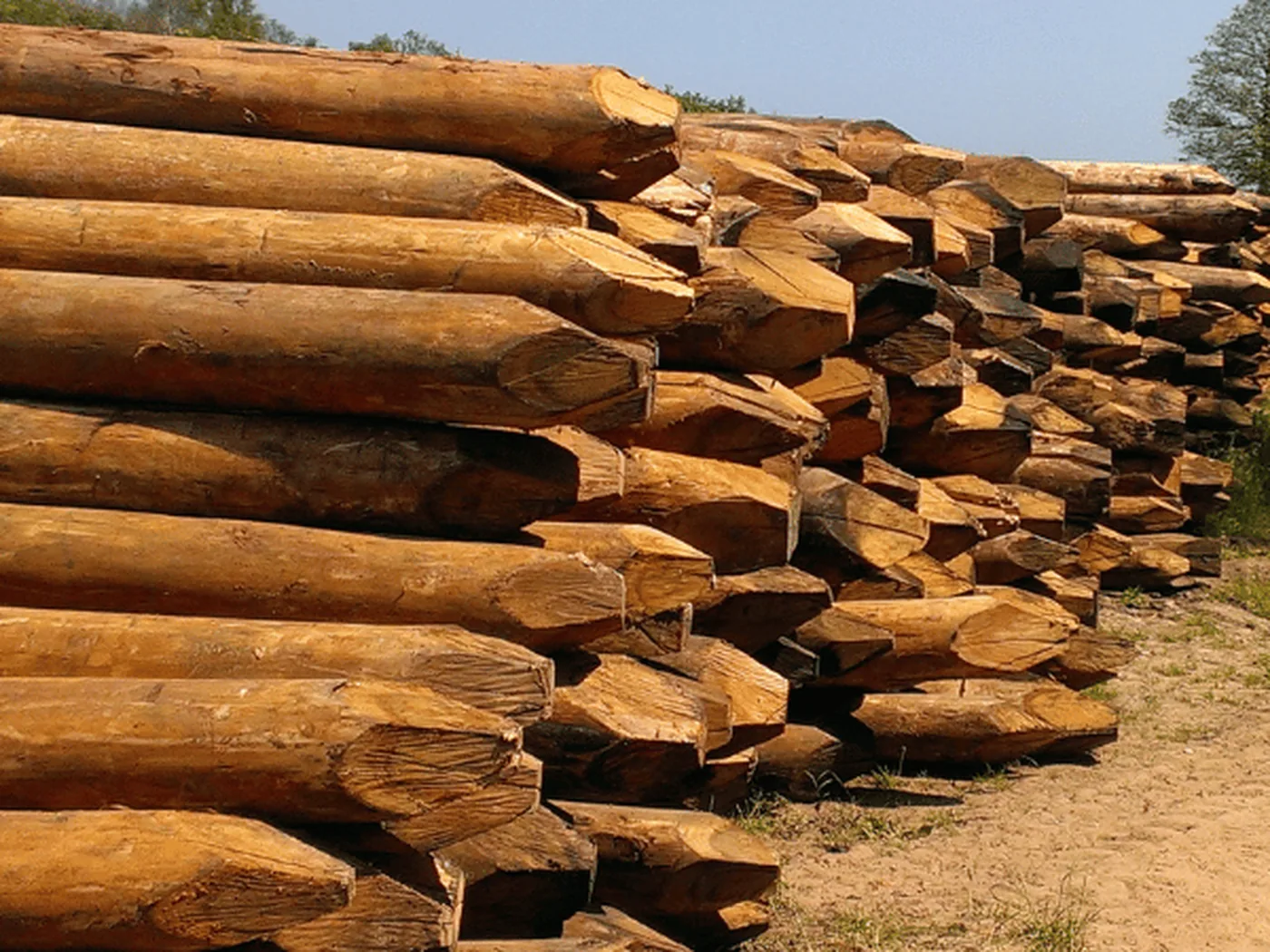
Round timber piles for water engineering and foundations, debarked or with bark. Diameter 15 to 50 cm, lengths up to 20 m.
Timber species, shape, machining and treatment side by side. Sizes and lengths are given on the respective product page.
| Product | Timber species | Shape | Machining | Treatment |
|---|---|---|---|---|
| Robinia stakes | Robinia | round, naturally grown | debarked, pointed or blunt | untreated |
| Robinia cleft posts | Robinia | cleft | pointed or blunt | untreated |
| Robinia half-round rails | Robinia | half-round, split lengthwise | debarked, blunt | untreated |
| Robinia plant stakes | Robinia | square | sawn | untreated |
| Oak cleft posts | Oak | cleft | with bark, pointed or blunt | untreated |
| Oak round posts | Oak | round, naturally grown | with bark, pointed or blunt | untreated |
| Oak posts | Oak | square | rough-sawn, pointed, chamfered or square cut | untreated |
| Sweet chestnut round posts | Sweet chestnut | round, naturally grown | debarked | untreated |
| Sweet chestnut half-round rails | Sweet chestnut | half-round | debarked, sawn | untreated |
| Softwood stakes | Softwood | round, machine-rounded | can be pointed and head-chamfered | untreated or pressure-treated |
| Softwood half-round rails | Softwood | half-round, split lengthwise | machine-rounded | untreated or pressure-treated |
| Softwood palisades | Softwood | round, machine-rounded | Head blunt or chamfered | untreated or pressure-treated |
| Larch posts | Larch | square | square cut, chamfered or pointed, rough-sawn or planed | untreated |
| Larch palisades | Larch | round, machine-rounded | Head chamfer available | untreated |
Robinia, oak, larch and spruce compared: how DIN EN 350 classifies natural durability ...
Read the article
Setting robinia stakes: what matters for depth, spacing, the point, pre-drilling and the ...
Read the article
Cleft post or round post: differences in production, cross-section, size specification, fixing and appearance ...
Read the article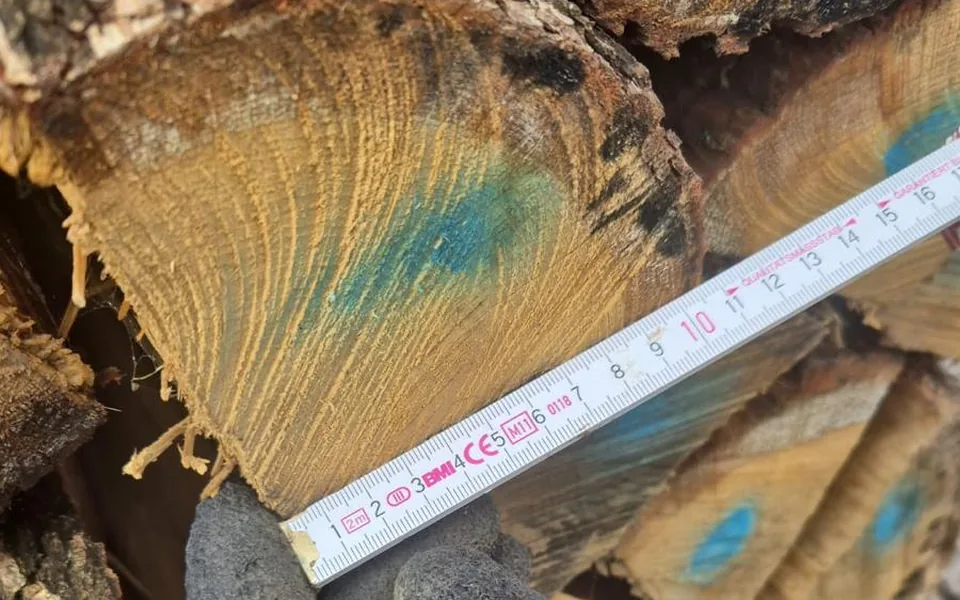
Back width, edge length and diameter all describe the thickness of a post, but the way it is measured ...
Read the articleWe supply robinia, oak and sweet chestnut left natural and without impregnation. For ground contact we stock softwood pressure-treated; pine takes up the preservative best.
Cleft posts follow the natural grain and therefore take up less water. Round is not simply round: we supply our oak stakes naturally grown in bark, robinia stakes debarked, softwood stakes cylindrically machine-rounded, and oak posts are sawn and square. Machine-rounded stakes look the most even and can usually be driven in well. For pasture use, cleft is the traditional choice; for visible areas, the even shape tends to be preferred.
As a rule of thumb, about one third of the length sits in the ground. For a fence height of 1.20 m that means a post length of around 1.80 m, and for 1.60 m around 2.40 m. Other sources give a fixed embedment depth of 50 to 70 cm instead of a proportion. Both are generalisations and expressly only guide values. Depending on soil conditions, sloping ground, wind and weather loading, post thickness and fence construction, the setting depth needed can differ considerably, tending upwards in soft or sandy soils. Which figure fits in the end can therefore only be judged at the actual site. There is more on this on the application pages Pasture and paddock fencing and Game fencing.
Pointed for driving or ramming straight into undisturbed ground, blunt for post anchors, concrete foundations or where a head is fitted on top. We supply both from one batch.
In pressure treatment a salt-based preservative is forced into the timber under pressure. Depending on the product used, the timber takes on a greenish or brown colour. The protective effect is as a rule the same; brown is simply additionally pigmented.
The product, size, quantity and delivery postcode are enough. Your written quote follows promptly, usually within 24 hours.
Rather speak to us directly? We are available Mon–Fri 8.00–18.00. In writing you can reach us through the contact form or by e-mail at info@worldwide-wood.de.

Structural timber, round timber, decking boards, tongue-and-groove boards, cladding and much more. Rough-sawn or planed.
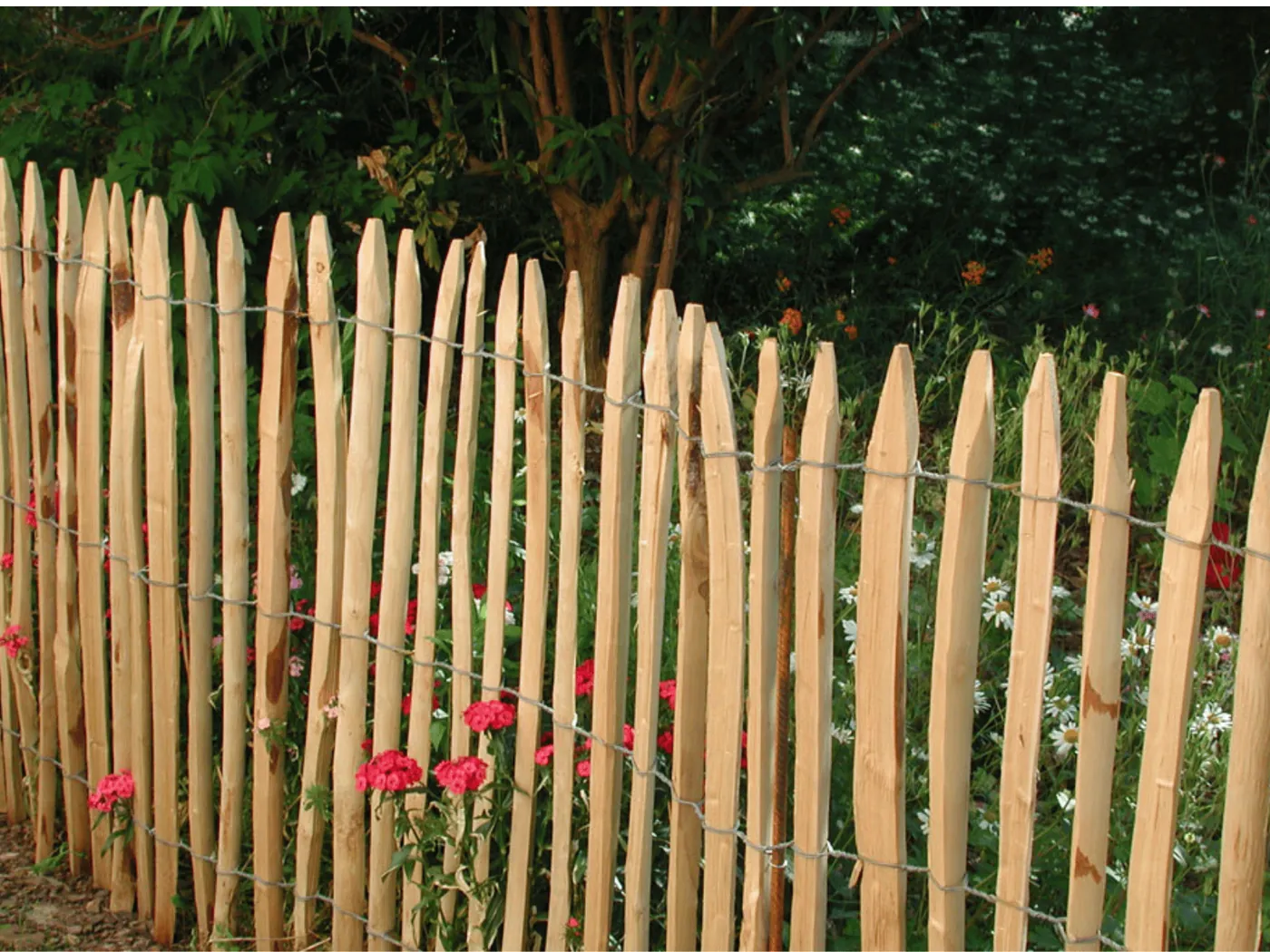
Paling fences, Bonanza fence boards, cross rails, fence posts and much more. Cut to your requirements.
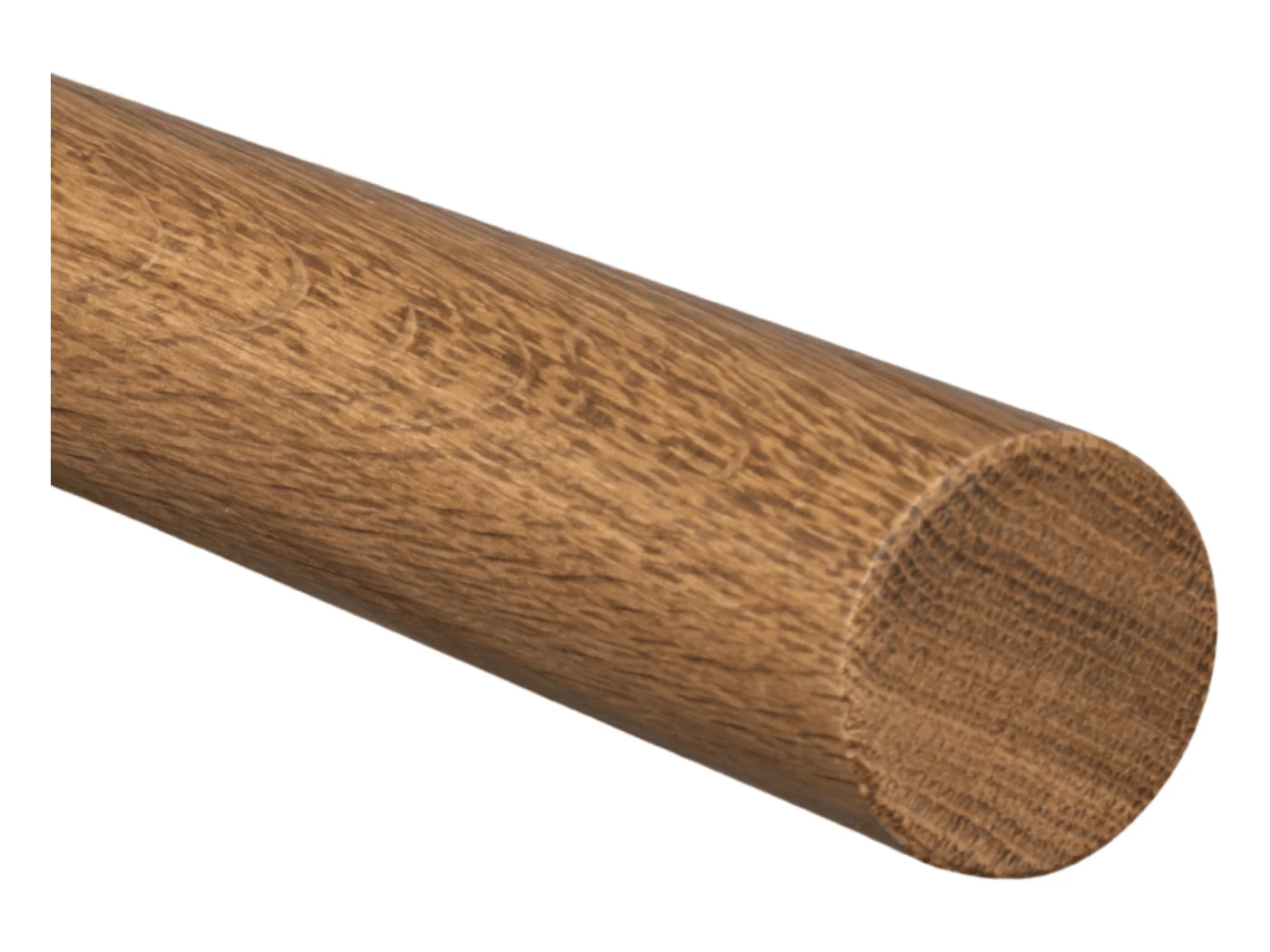
Handrails in oak, beech, maple and ash. Six profiles, made to size.
Anyone buying timber stakes decides on the timber species first. We supply robinia, oak and sweet chestnut left natural and without impregnation; they are the classic timbers for pasture fencing, paddock fencing and game protection.
Larch posts are the more economical option for areas without permanent ground contact. Softwood stakes with pressure treatment are the economical choice for forestry, reforestation and crop protection, where large numbers matter.
Cleft posts in oak and robinia are produced by splitting the timber along the natural grain and are a traditional post shape for pasture and paddock fencing. We show how that works in our article How an oak cleft post is made. Round posts differ according to timber species and machining: we supply oak stakes naturally grown in bark, robinia stakes and sweet chestnut round posts debarked, and softwood stakes machine-rounded. Machine-rounded stakes have a comparatively even cross-section. Square posts in oak and larch are sawn and are particularly suitable where boards, rails or fittings are to be fixed to a flat face.
Half-round rails in robinia, sweet chestnut and softwood can be used as horizontal fence elements, for example. Palisades in softwood and larch are suitable, depending on the version, for edging and decorative uses in garden and landscape construction, among other things. Robinia plant stakes are used in viticulture and fruit growing, among other areas.
We are flexible on lengths: shorter and longer stakes are possible depending on the product and version, as are various diameters and back widths. Delivery is pointed or blunt and, depending on the product, debarked, cylindrically machine-rounded, bark-stripped or sawn. We produce special lengths and special diameters on request.
As a rule of thumb for the setting depth, allow around one third of the post length. For a fence height of 1.40 m you therefore need posts from about 2.00 m. That is a guide value, not a fixed one: soil conditions, sloping ground and wind loading can make a greater setting depth necessary. Post spacings between 2.00 and 3.00 m are common depending on the system; at corners and gates a heavier cross-section is usually chosen. These figures can serve as orientation and are no substitute for planning at the actual site. The pasture fence calculator gives a first overview of quantities for pasture and paddock fencing.
Our stakes are used in pasture and paddock fencing, in game fencing, in viticulture, in garden and landscape construction and as tree stakes in tree nurseries, among other places. Which timber species and shape come into question depends on the particular project; you will find pointers in this overview and in the Guides.
Orders are possible from pallet quantities up to complete lorry loads and beyond. We calculate your quote at current daily rates and send it to you promptly, including lead time and freight costs to the site.
Not sure yet what you need? Call us on +49 2242 9483009, write to us using the contact form or browse the Guides and the timber glossary.