
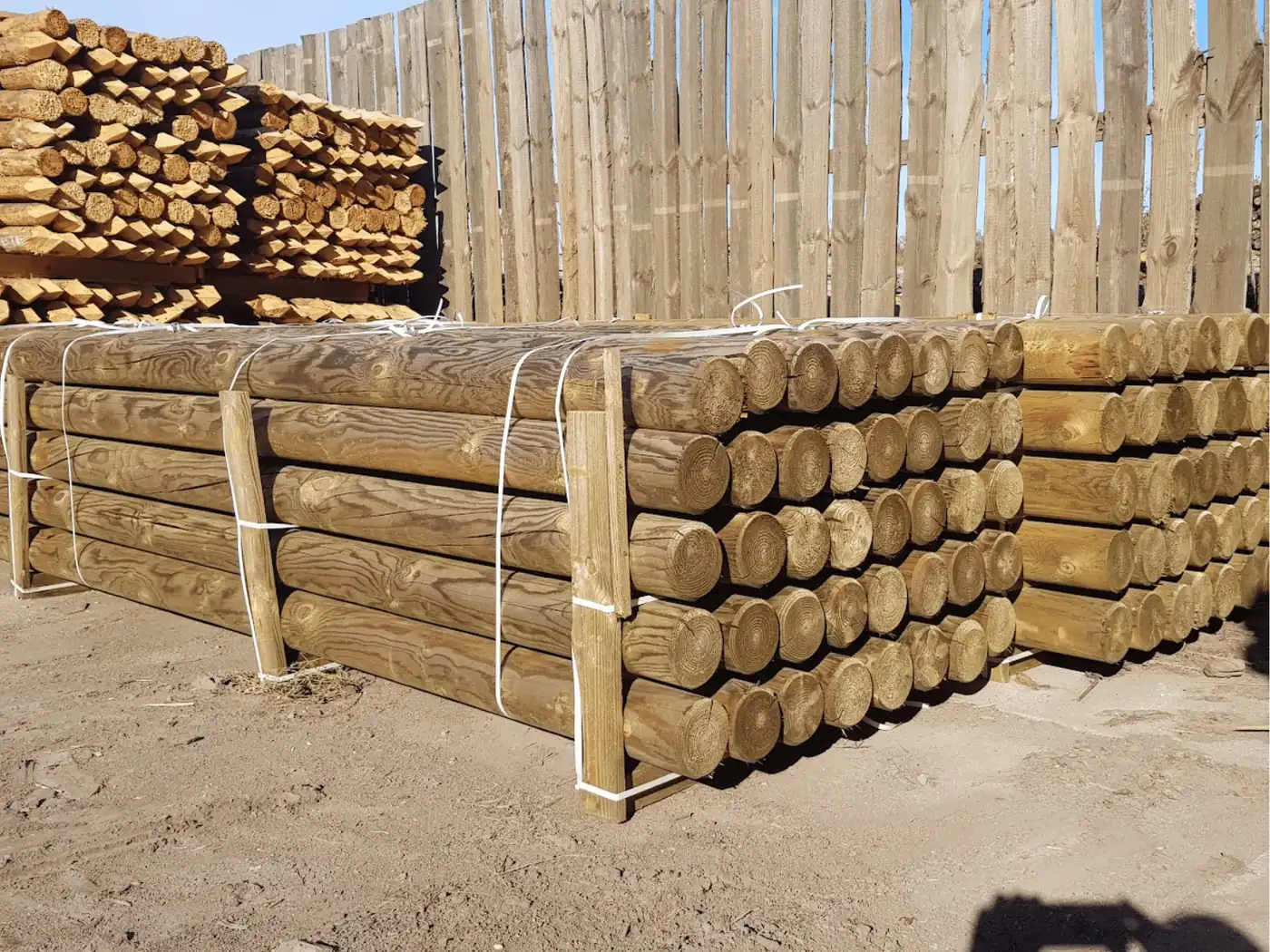
Softwood
Softwood palisades
Machine-rounded softwood palisades for slope retention, bed edging and path edges, untreated or impregnated.
From the classic pale fence through Bonanza and Ranger fences to paling fences, screening and palisades: in a garden, timber allows very different fence appearances and boundaries to be created.
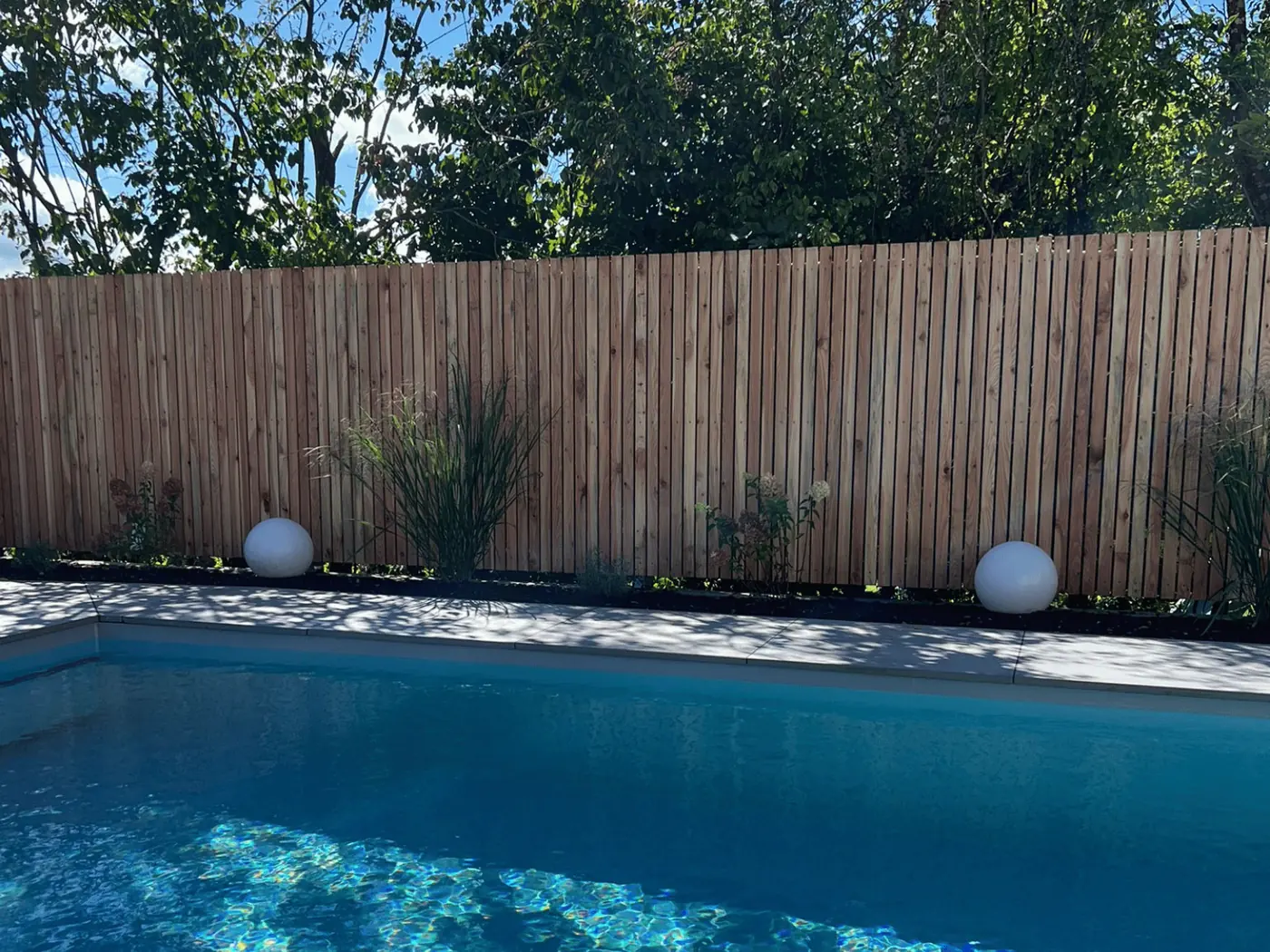
For this we stock fence boards, fence pales, fence rails and fence posts in various timber species, as well as palisades and fence products left natural. Which version suits depends above all on the fence appearance wanted, the construction and the conditions at the site. The whole range is in the Fences & Fence Posts category.
If you would like to estimate the quantities needed first, you can use our garden fence calculator.
A classic timber fence usually consists of just a few basic elements: posts form the load-bearing grid, horizontal fence rails connect the individual bays, and fence pales or fence boards form the visible fence surface.
For a classic pale fence we offer, for example, Larch fence posts, Larch fence rails and Larch fence pales. The corresponding components are also available as Spruce fence posts, Spruce fence rails and Spruce fence pales.
If you prefer wider rather than narrow pales, Larch fence pales, wide and Spruce fence pales, wide offer further possibilities. Different head shapes, surfaces and dimensions allow various fence appearances.
What matters is not to look at the individual components in isolation: posts, rails, boards or pales and the way they are fixed together make up the finished fence.
Not every garden fence has to look the same. Different timber products allow correspondingly different designs to be built.
For a straight, classic garden fence, fence pales or fence boards with even cross-sections are suitable. If you are looking for a more original appearance, Oak Bonanza fence & side boards, Larch Bonanza fence & side boards and Spruce Bonanza fence offer wide Ranger or Bonanza fence boards with a natural waney edge.
Another fence form in its own right is the Sweet chestnut paling fence. The individual palings are joined with wire into flexible fence rolls. This creates a distinctly different appearance from a classic fence of posts, rails and individual pales.
The range therefore reaches from the evenly built pale fence through wide fence boards to the more rustic Bonanza or paling fence.
How a paling fence is built step by step is shown in the article Building a chestnut paling fence: from the posts to the finished fence.
With a garden fence, alongside the appearance, weathering, moisture loading and design detailing also play an important role.
Larch is often used for outdoor applications because of its properties. Our garden fence products in German larch are available, for example, as Larch fence pales, wide, Larch fence pales, Larch fence rails and Larch fence posts. Untreated larch changes colour over time under weathering and develops a natural grey patina.
Spruce also allows numerous fence forms, but has a lower natural durability than larch. With spruce, the actual loading and good design detailing are therefore particularly important. Water should be able to run off wherever possible, and permanent pockets of moisture should be avoided by design.
Oak is used among other things for robust posts, fence elements left natural and Oak Bonanza fence & side boards. It should be noted that heartwood and sapwood differ in their natural durability.
As a general rule outdoors: it is not only the timber species that determines the service life. Construction, moisture loading, weathering and care also have a substantial influence.
The three timber species in direct comparison are in the article Building a Bonanza fence: oak, larch or spruce?
Further information: Umweltbundesamt – Holzschutzmittel und konstruktiver Holzschutz and Bayerische Landesanstalt für Wald und Forstwirtschaft – Das Holz der Lärche: Eigenschaften und Verwendung
In garden and landscape construction the field of use goes beyond classic fences. Palisades can be used, for example, for bed edging, boundaries and various forms of ground modelling.
For this we stock, among other things, Softwood palisades and Larch palisades in various diameters and lengths. Depending on the product, different timber species and versions are available; they are listed together with the other round timbers in the Stakes & Posts category.
With palisades, however, a distinction should be made between simple edging and a construction that actually has to take earth or ground pressure. For genuine slope retention or other more heavily loaded constructions, no universally valid embedment depth can be given by a simple one-third rule. Sizing, foundation and construction have to be matched to the situation in question.
The standard sizes, surfaces and versions available are given directly on the respective product pages. For many of our fence products, other lengths or further dimensions are also possible on request.
For a first overview of quantities, our garden fence calculator is also available. There you can enter the key figures of the fence planned and work out the likely material requirement clearly.
The calculator is intended as support in working out quantities. It is no substitute for project-specific planning and in particular does not check structural requirements, foundations, wind loads or local public or neighbour-law requirements.
If you already have sizes or a parts list, you are of course welcome to use those directly for an enquiry.
The other areas we supply timber for are listed in the overview of areas of use.
The information on this page is intended as general orientation about our products and typical applications. The actual construction of a fence depends among other things on the fence height, the site, the soil, weathering and the version wanted. For installations that are structurally or constructionally demanding, in particular for constructions that have to take earth or ground pressure, project-specific planning is required.
Three components together make up the finished fence. How they are sized depends on the fence appearance and the construction.
Our garden fence calculator helps you work out quantities.
Start the garden fence calculator A guide only – no substitute for project-specific planning.Fence length, fence construction, material requirement: the calculator takes you through the key figures one after the other and gives a first overview.
Machine-rounded softwood palisades for slope retention, bed edging and path edges, untreated or impregnated.
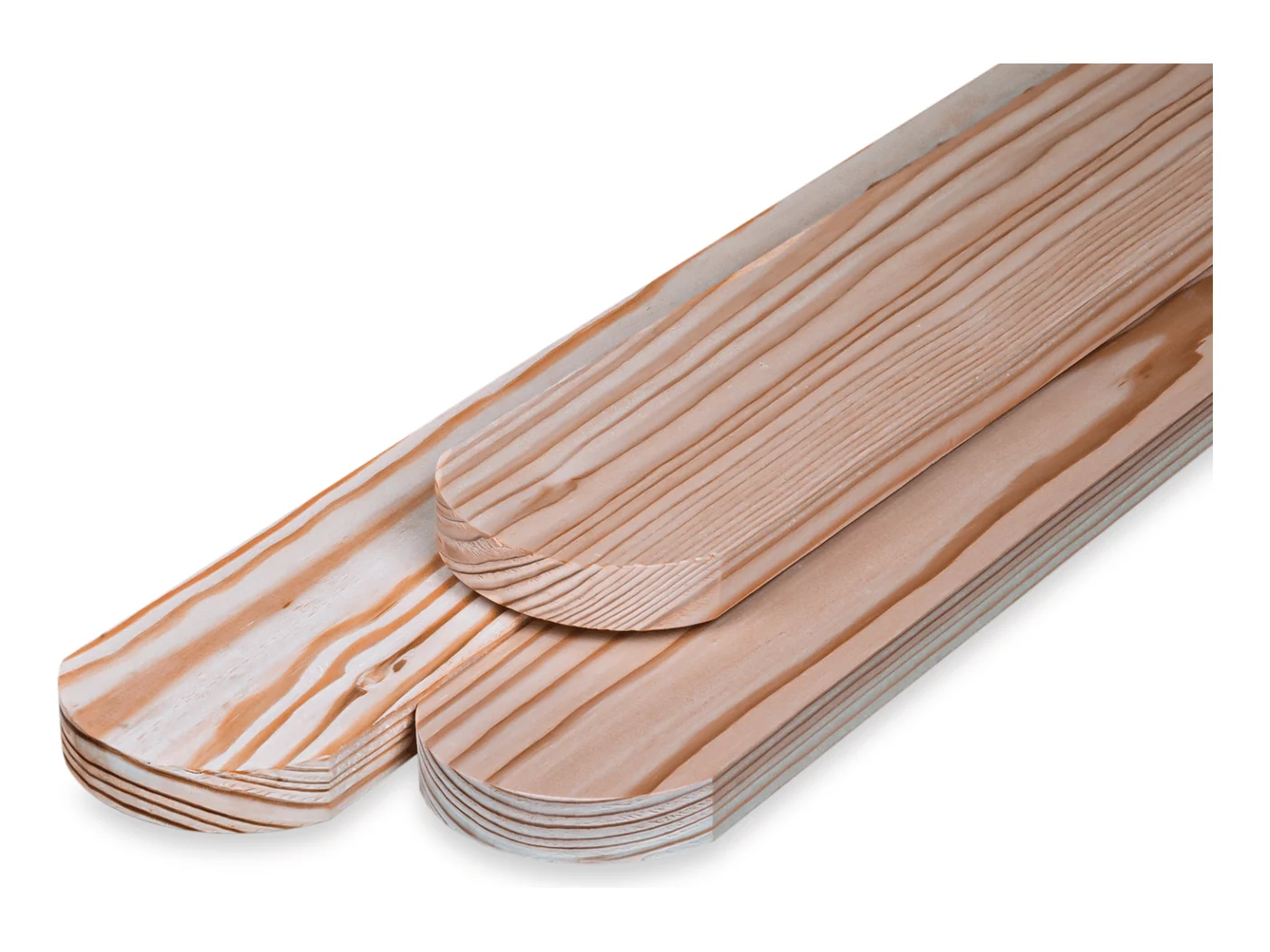
Wide fence pales in larch, rough-sawn or planed, with a round head, bevelled or square cut.
Fence pales in larch, rough-sawn or planed, 20 × 55 or 24 × 60 mm, made to the length you want.
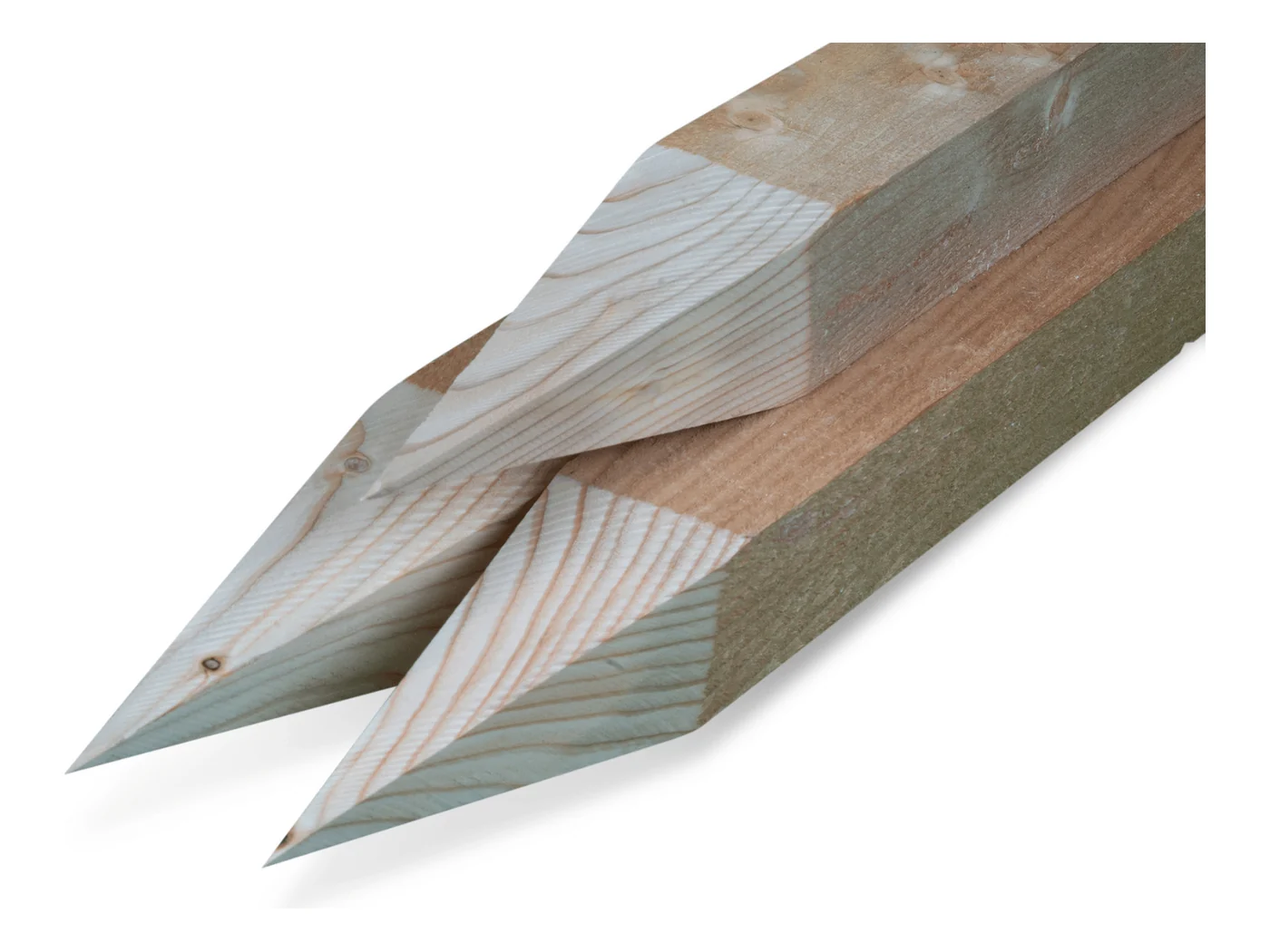
Fence posts in larch: head-chamfered, pointed, with a round head or square cut, additionally with or without a chamfer on the long sides.
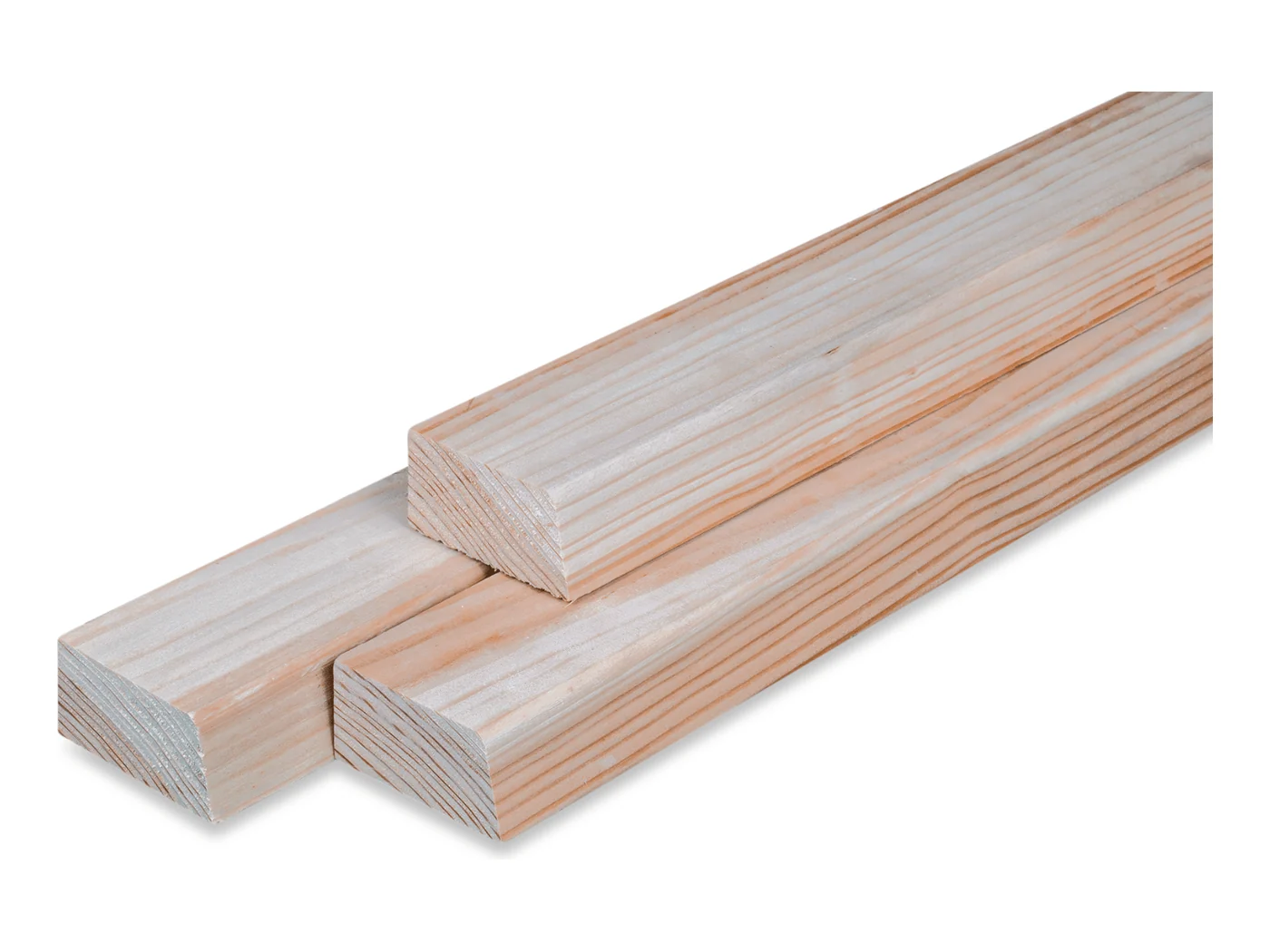
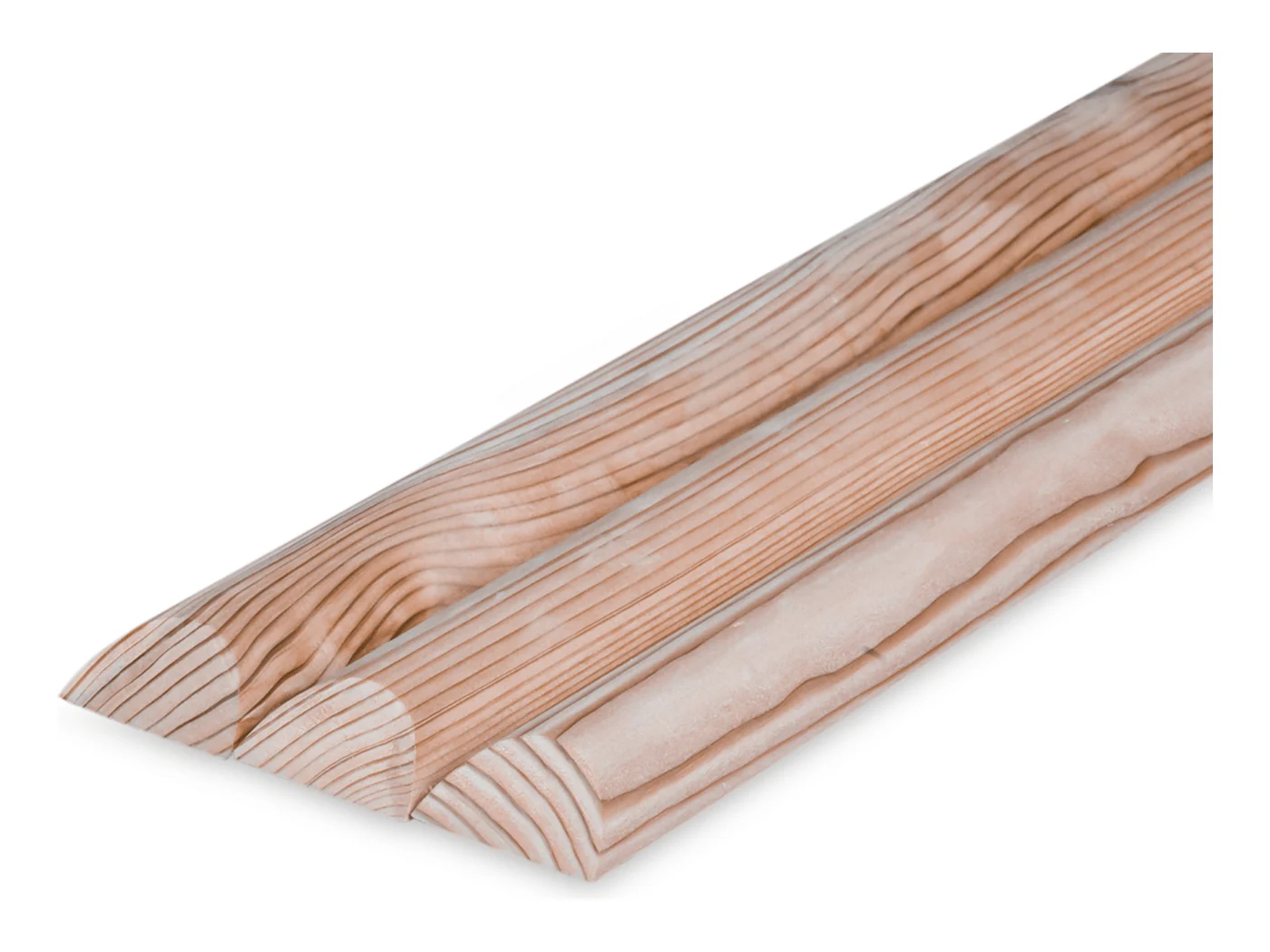
Planed fence rails in larch, either with a weather chamfer or as half-round rails, in the length you want.
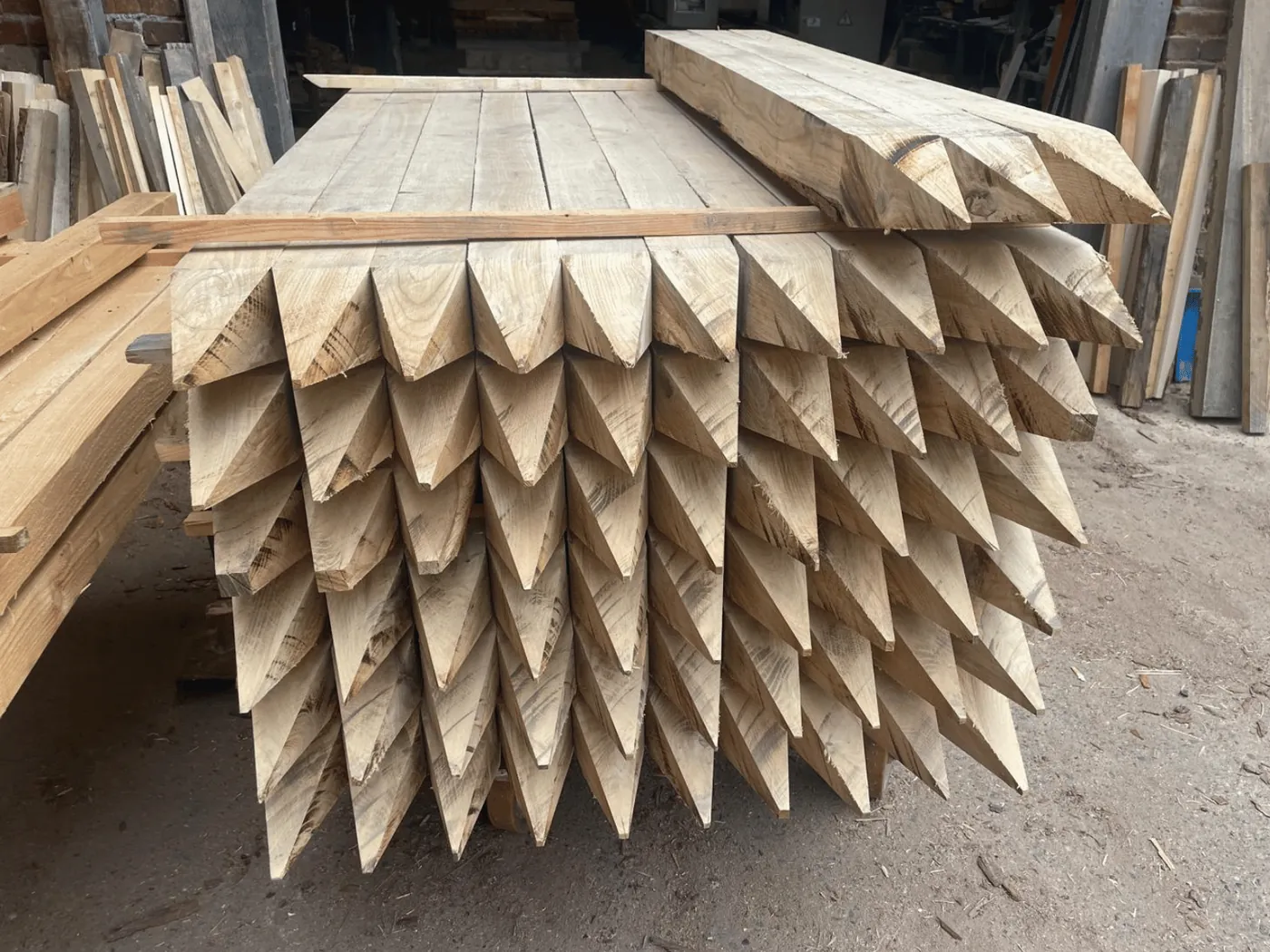
Squared posts in various dimensions. Rough-sawn and freshly sawn, pointed, chamfered or square cut.
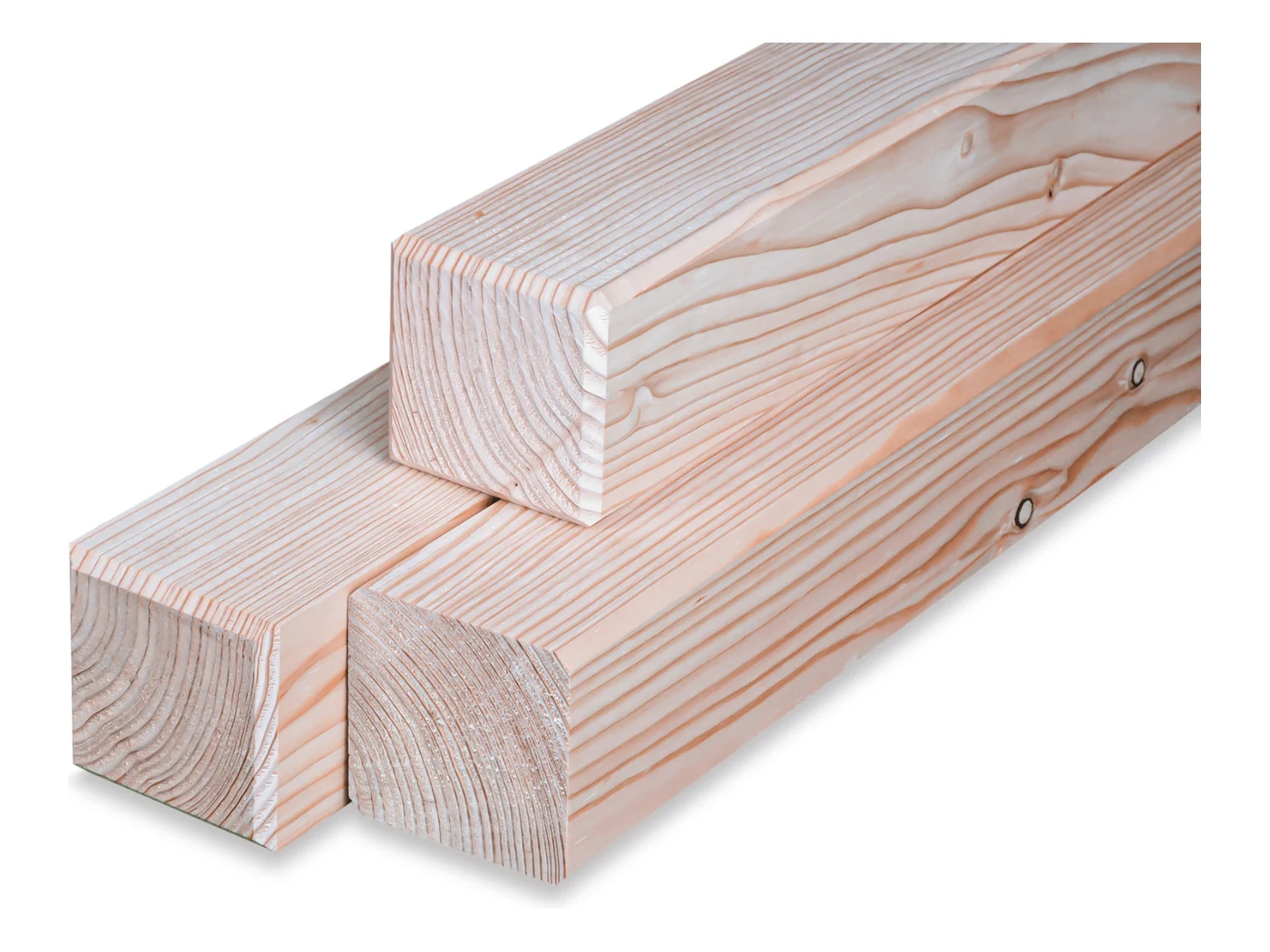
Squared timber in larch, rough-sawn or planed, dimensionally stable as fence, corner and gate posts.
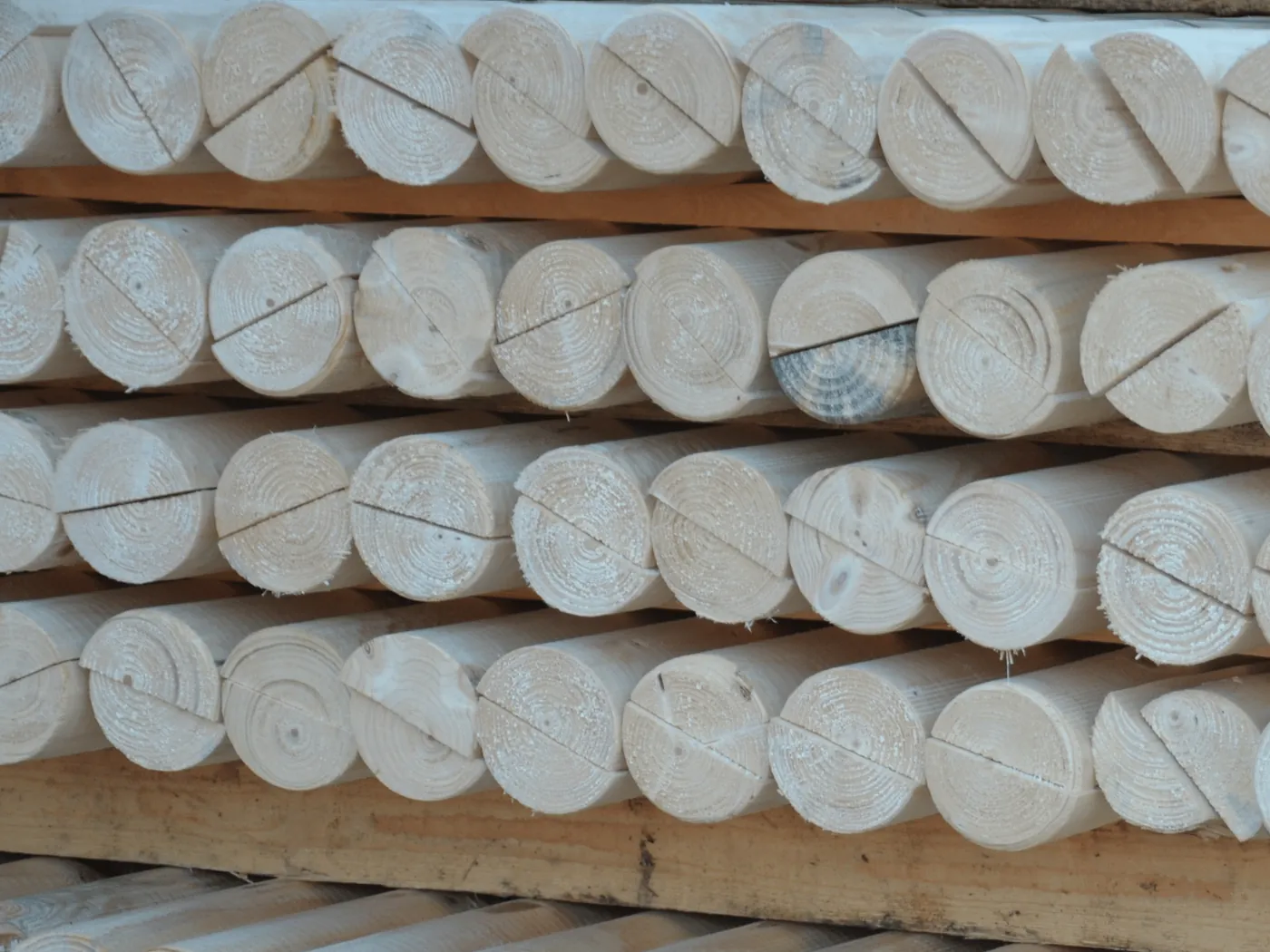
Machine-rounded half-round timbers as rails for paddock and screening fences, untreated or impregnated.
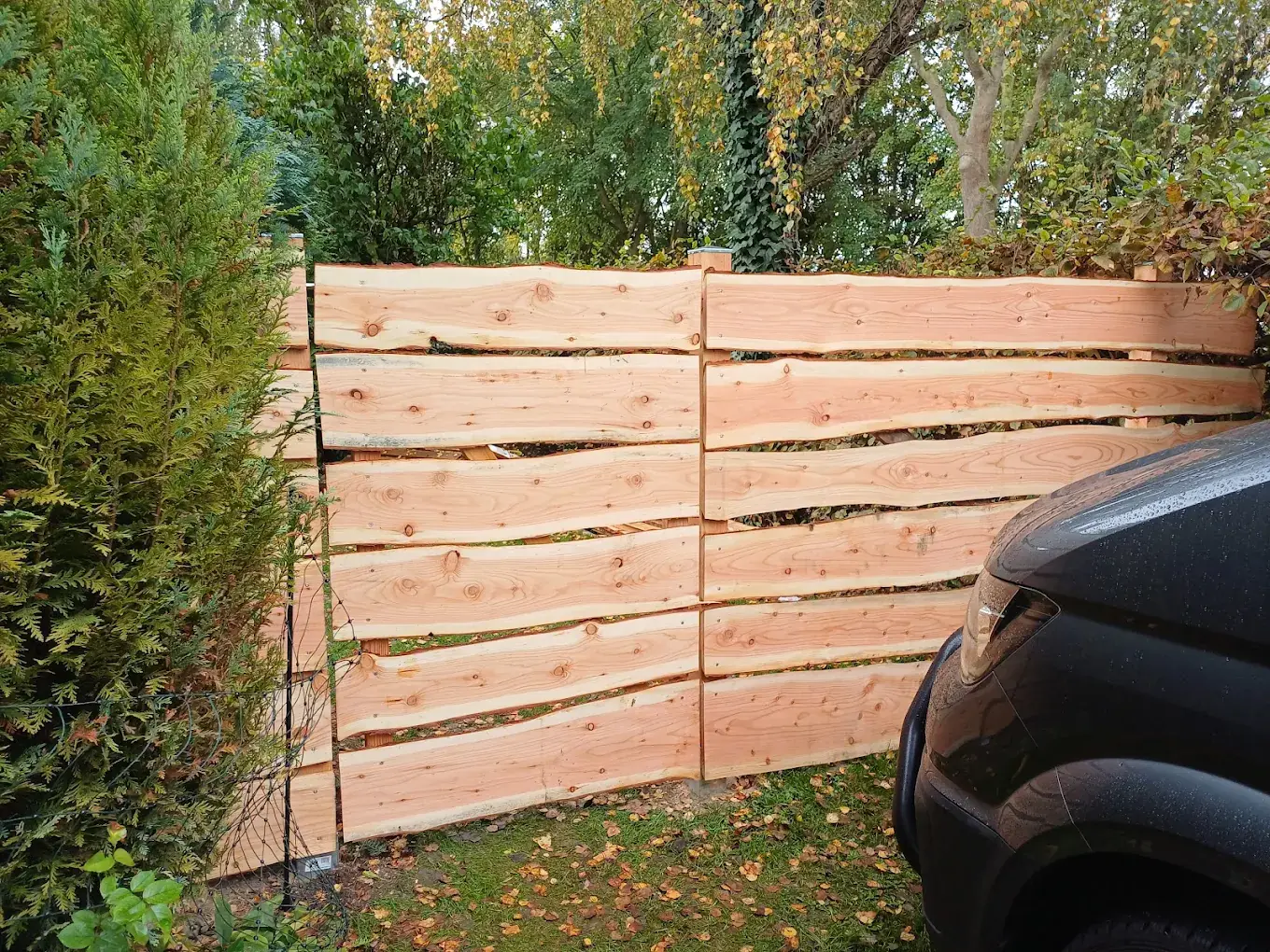
Bonanza fence in oak, larch or spruce: differences in surface, side boards and specification ...
Read the article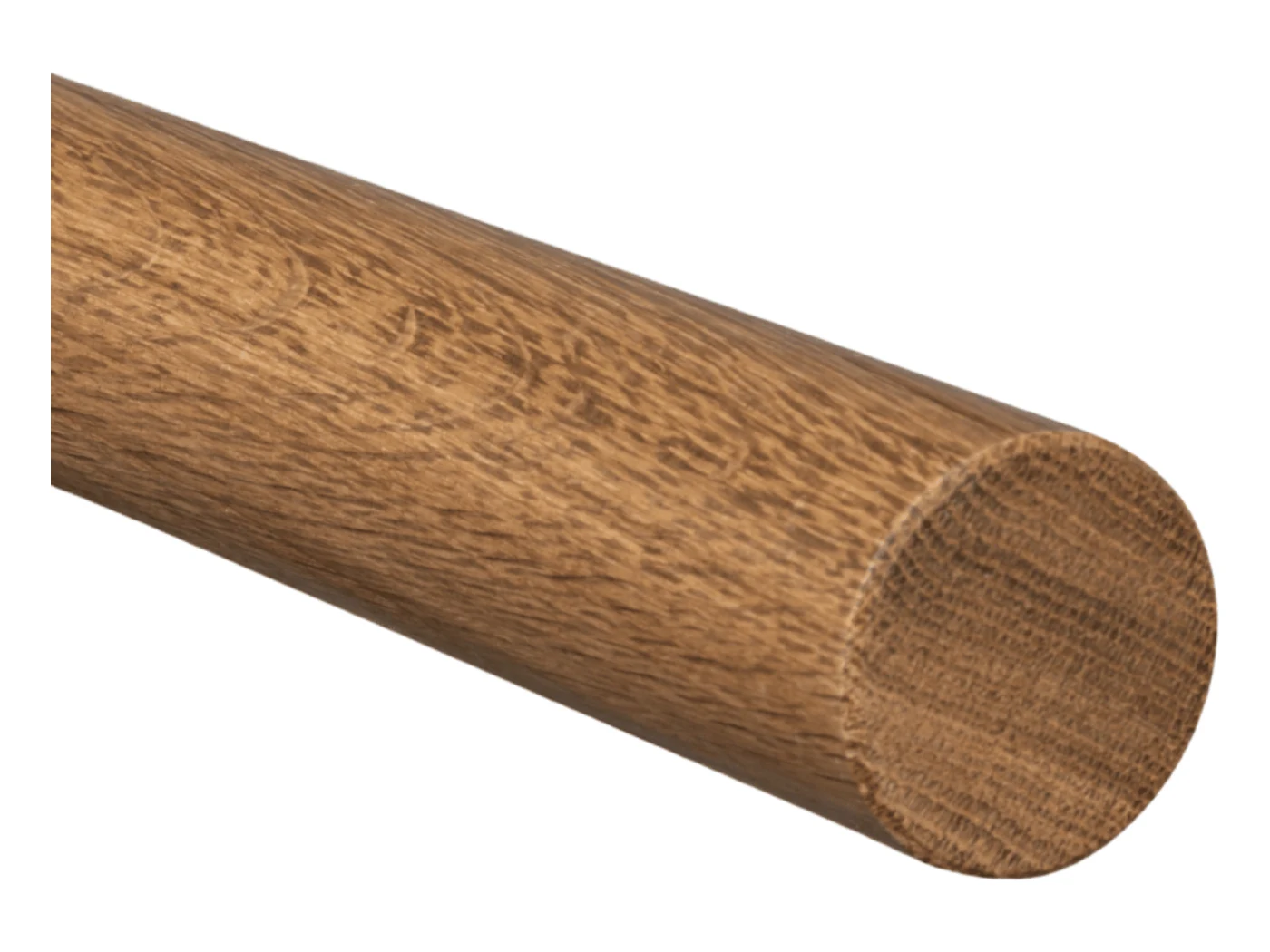
Round, oval, rectangular, square or Omega: the six handrail profiles with their dimensions, their ...
Read the article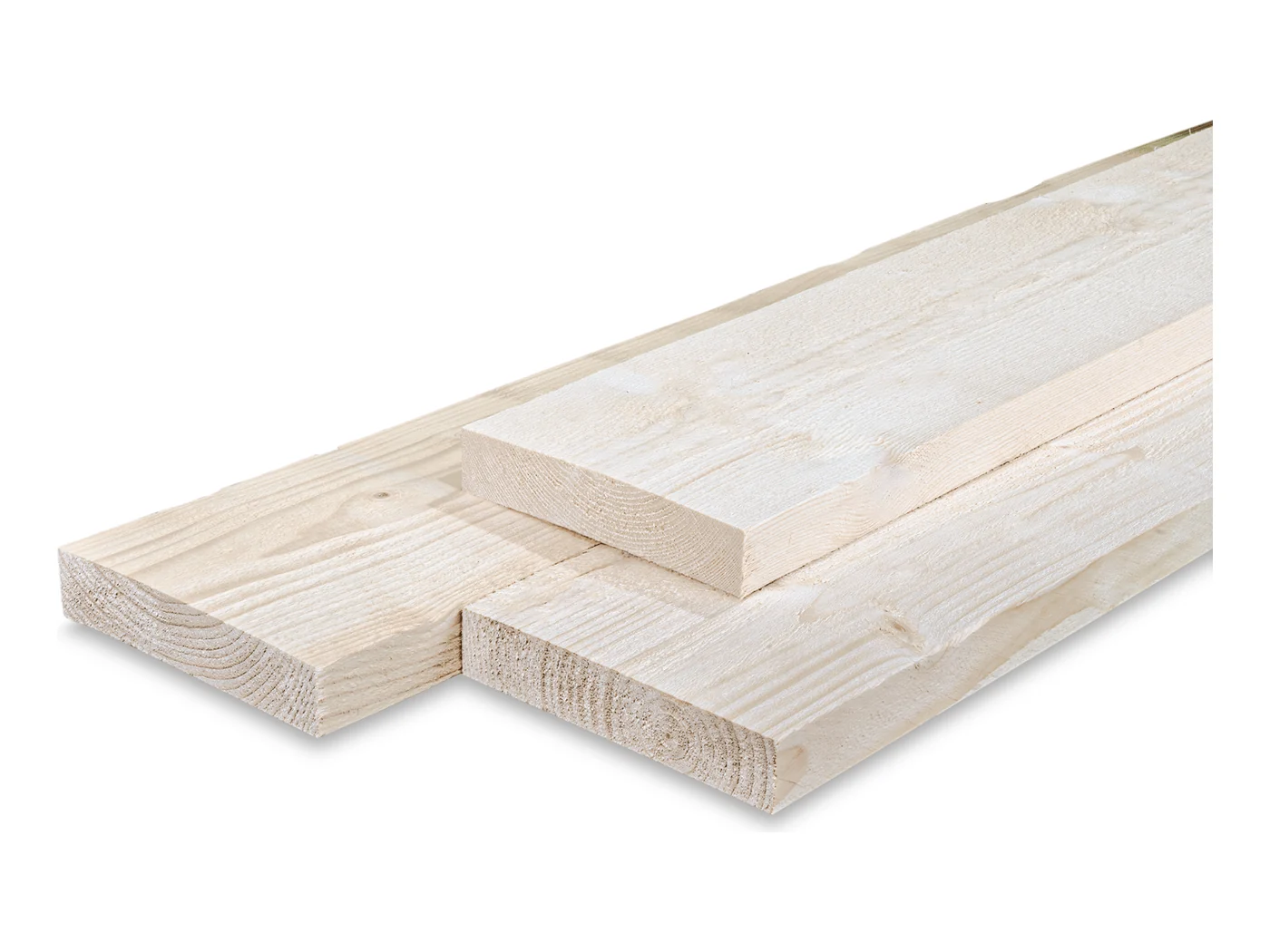
Larch or spruce for cladding: colour, natural resistance, surface and price level ...
Read the article
Rough-sawn tongue-and-groove boards have a tongue and groove, cladding boards do not. The difference in the profile, the dimensions we stock ...
Read the articleThe product, size, quantity and delivery postcode are enough. Your written quote follows promptly, usually within 24 hours.
Rather speak to us directly? We are available Mon–Fri 8.00–18.00. In writing you can reach us through the contact form or by e-mail at info@worldwide-wood.de.