Timber is a versatile building material, but not every species suits every project. This article gives an overview of three important native timber species, oak, larch and spruce, with their typical properties and areas of use.
The three timber species at a glance
Oak is hard, heavy and abrasion-resistant. It has high strength properties and is naturally resistant to moisture and pests. Oak is therefore used for load-bearing structures, garden furniture and outdoor applications as well as for parquet, doors or stairs, for example as oak structural timber.
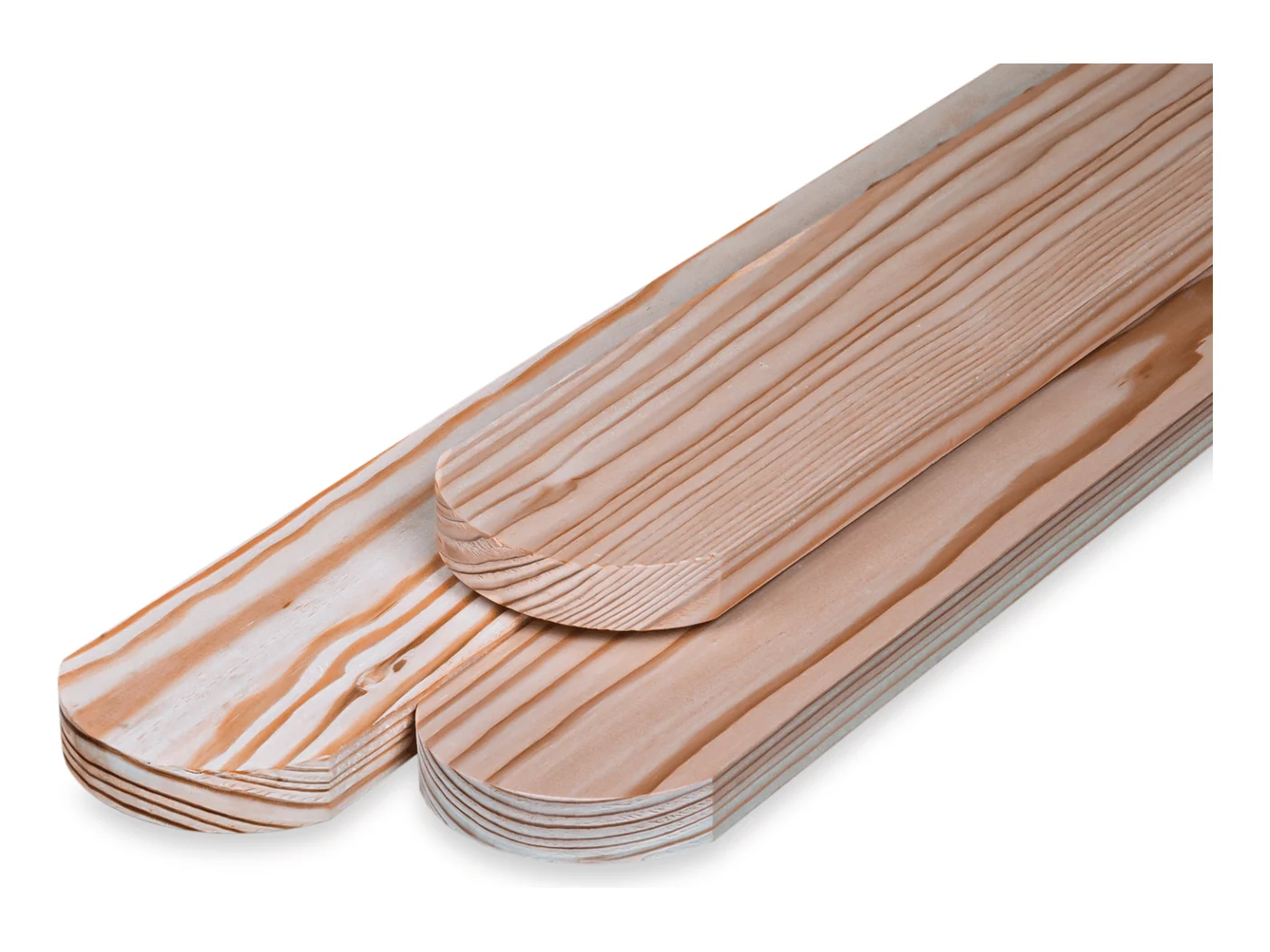
Larch is one of the more resistant native softwoods. It is resinous and is often used outdoors, for example for fences, facades and decking. Over time it forms a silver-grey patina.
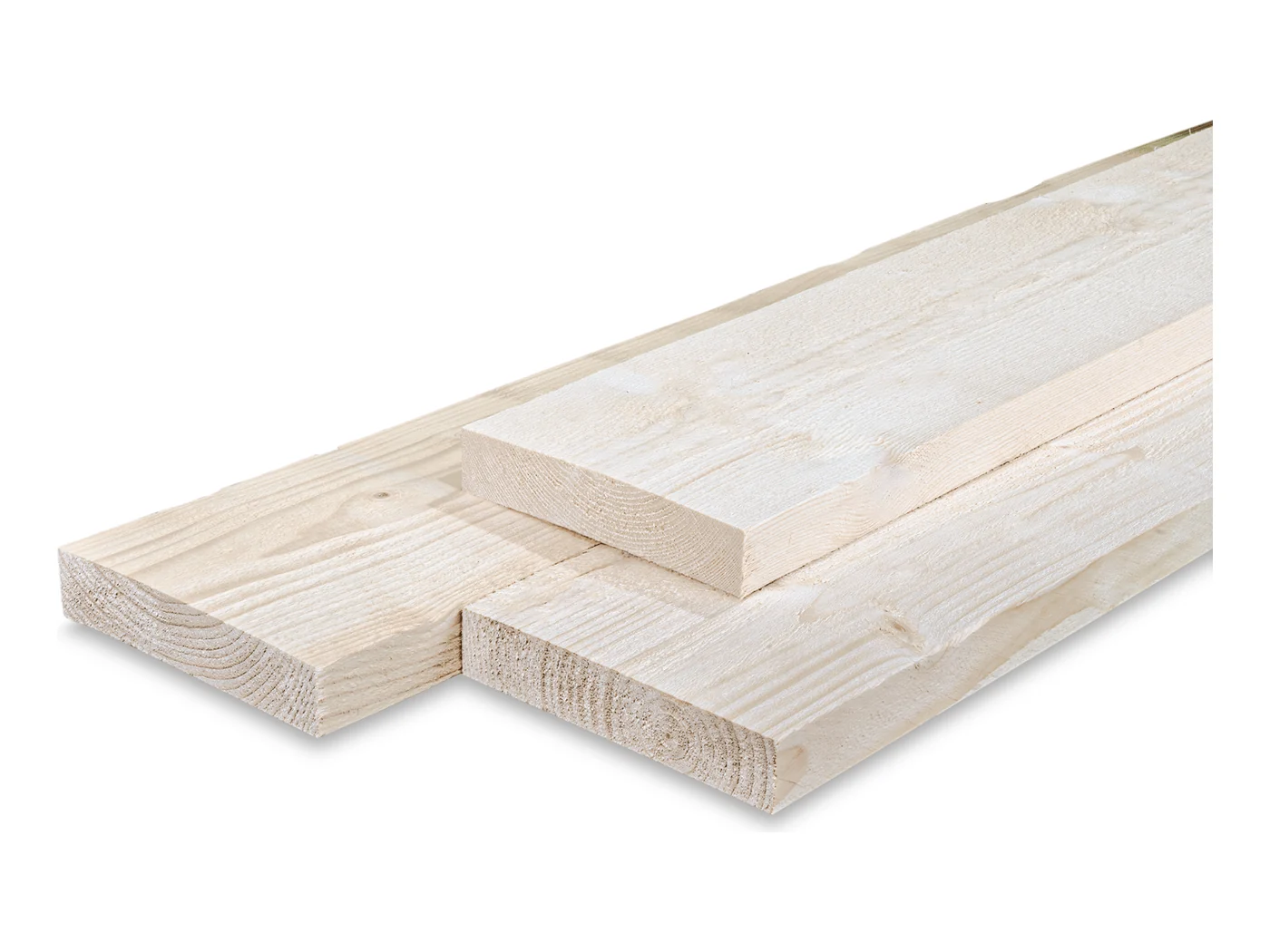
Spruce is light, soft and economical. It is easy to work and is used mainly in interior fit-out and roof construction, for example for rafters, battens and wall linings. Outdoors, spruce needs suitable timber protection.
| Timber species | Properties | Typical use |
|---|---|---|
| Oak | hard, heavy, abrasion-resistant | Load-bearing structures, outdoor use, parquet, stairs |
| Larch | resinous, dimensionally stable | Fences, facades, decking |
| Spruce | light, soft, easy to work | Interior fit-out, roof construction, battening |
Which timber for which project?
The decision depends above all on weathering, strength and the desired appearance.
- Outdoor use such as decking, garden furniture or fences: oak and larch are often used here left natural.
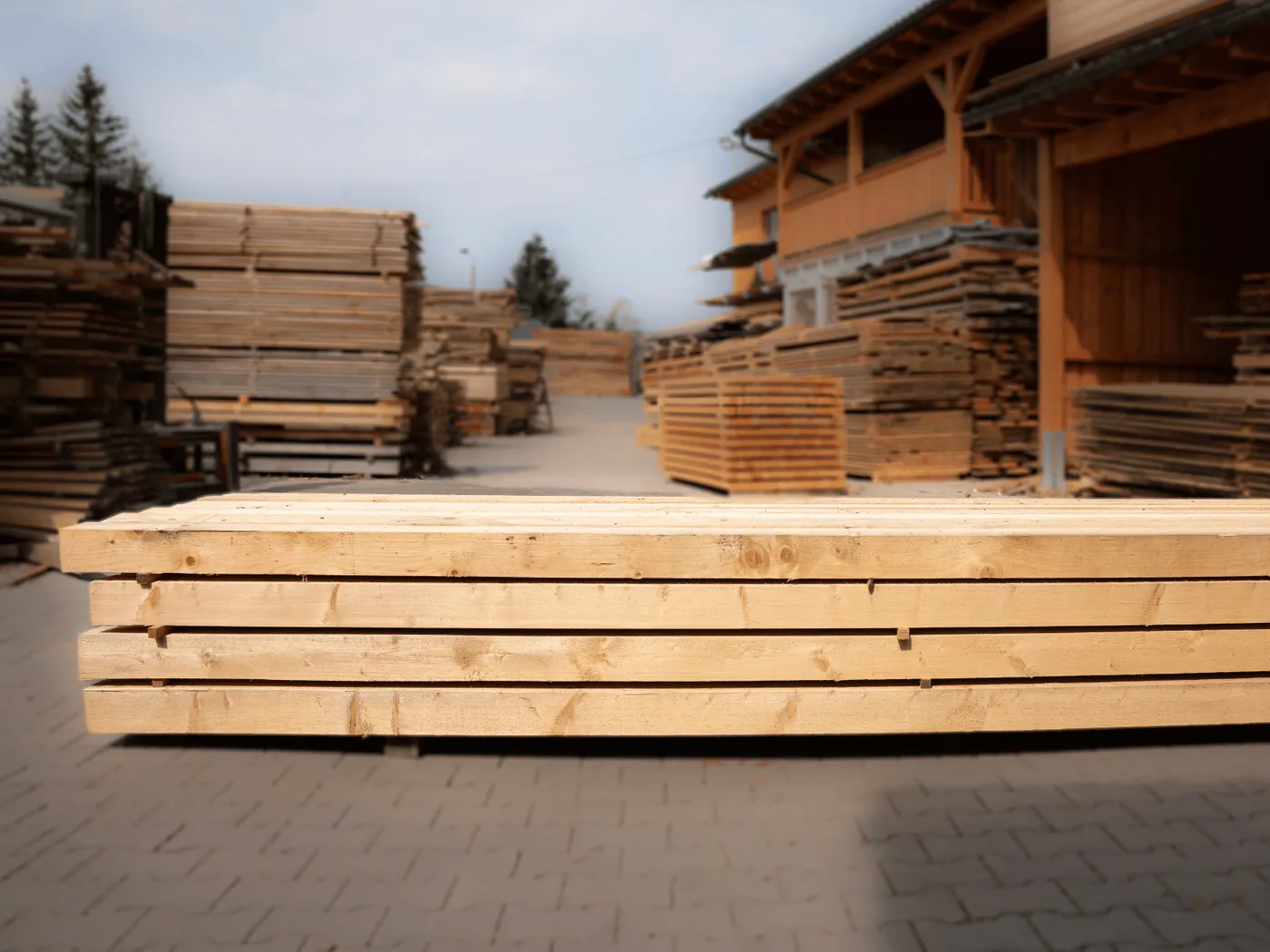
- Load-bearing structures such as roof frames or posts: spruce, larch or oak, depending on structural requirements and budget.
- Low-cost constructions indoors: spruce.
- Furniture making and high-quality interior fit-out: oak with its distinctive figure, alongside spruce or pine with a light, natural surface.
How larch and spruce differ as cladding is shown in the article Larch or spruce for cladding.
What to look for when choosing
Moisture: for outdoor use, choose a timber with high natural resistance or make sure of a suitable protective treatment and good design detailing for durability. You will find a comparison of natural durability in the article Durability of oak, robinia, larch and spruce compared.
Appearance and ageing: over time larch develops a silver-grey patina, which can be delayed by oiling or staining. Oak darkens, spruce tends to stay light.
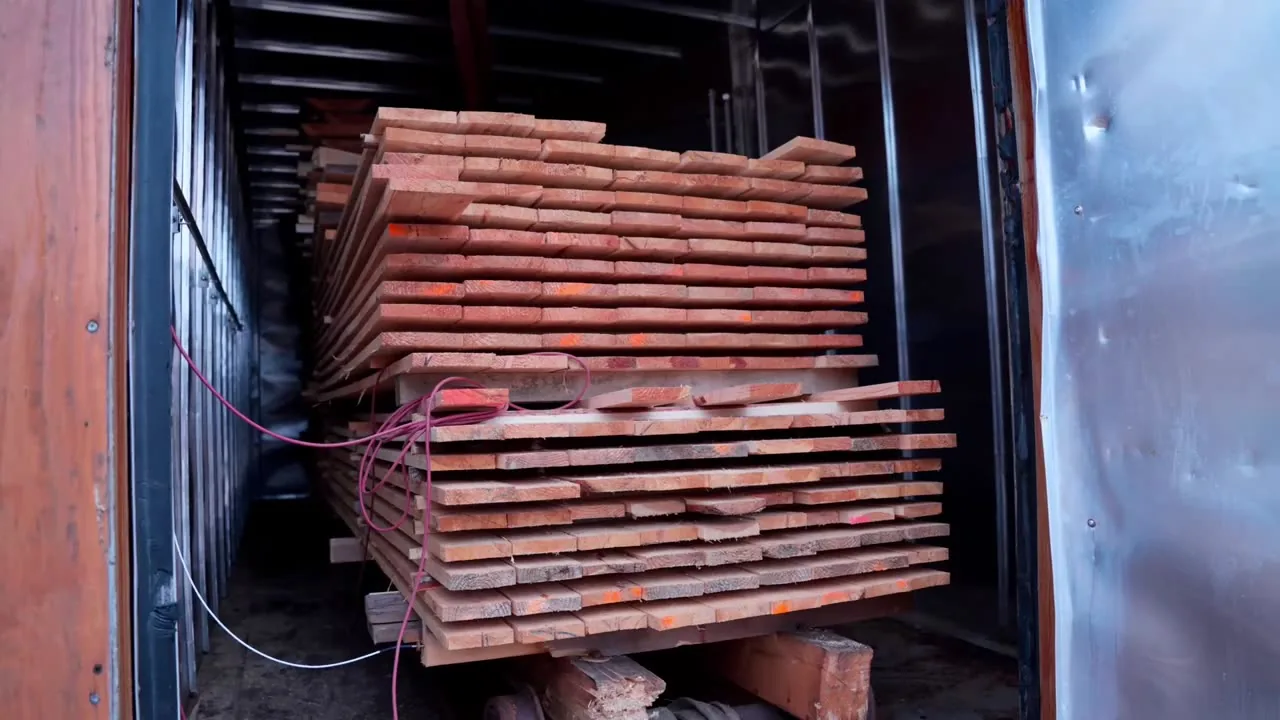
Drying: whether freshly sawn or dried timber makes sense depends on the application. More on this in the guide Freshly sawn, air-dried or kiln-dried.